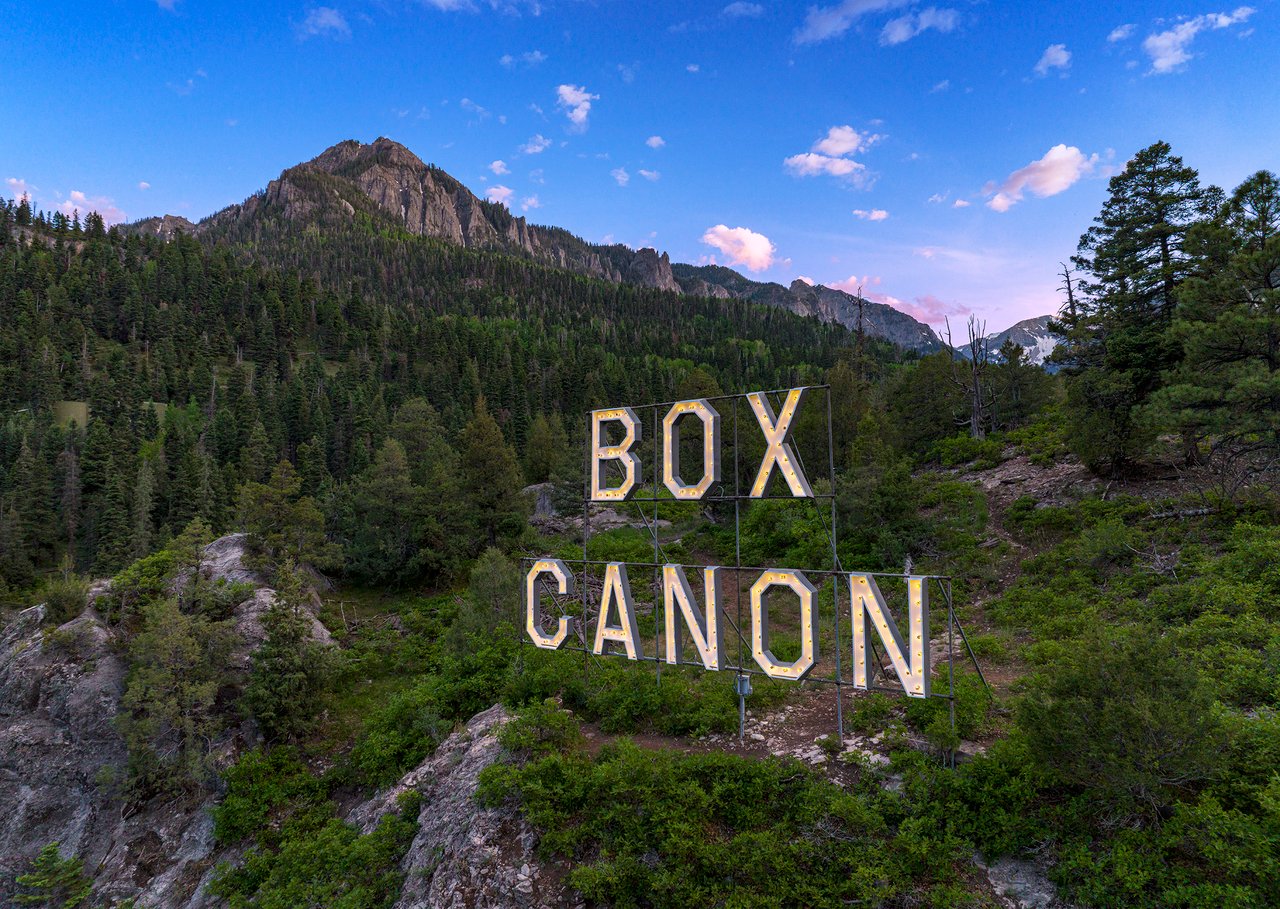
Wondering what daily life in Telluride really feels like once you look past the postcard views? If you are thinking about a second home, a future move, or simply trying to picture the rhythm of the town, the biggest thing to understand is that Telluride changes with the seasons in a very real way. From snowy winter routines to quieter shoulder months to festival-filled summers, each part of the year brings a different version of mountain living. Let’s take a closer look.
Telluride Living Starts With the Setting
Telluride’s layout shapes how you move through the day. The town describes its historic core as just 12 blocks long by 8 blocks wide, which helps explain why so much of daily life can happen on foot. If you are staying or living near downtown, short walks for errands, dining, and meeting up with friends can feel like a normal part of the routine.
The connection between Telluride and Mountain Village also plays a big role in everyday life. The free gondola runs as an all-season link between the two, and it is more than a scenic ride. It connects homes, restaurants, trails, ski access, and daily activities in a way that helps the two areas function together.
Local transit adds another layer to that convenience. The Galloping Goose loop serves the town, with more frequent service in peak winter and summer and every-30-minute service during off-season periods. That seasonal shift gives you a good preview of how the town’s pace changes throughout the year.
Winter Brings Telluride’s Fastest Pace
Winter is when many people first fall in love with Telluride. Snow shapes the season, and NOAA climate normals for the Telluride 4WNW station show annual snowfall of 130.8 inches, with January, February, and March each averaging more than 22 inches. In practical terms, that means winter is not just scenic here. It defines how you plan your days and move around town.
Winter Routines Go Beyond Skiing
Skiing and snowboarding are a major part of winter life, but they are not the whole story. Official winter activity listings also include Nordic skiing, fat biking, ice skating, snowshoeing, sleigh rides, snowmobiling, dog sledding, hot springs, and ice climbing. If you picture mountain living as a mix of outdoor time and cozy evenings back in town, winter fits that image well.
After time outside, the rhythm often shifts back downtown. Shops, dining, spas, arts, and longtime local gathering spots become part of the winter routine. That blend of active days and compact in-town evenings is one of the clearest signatures of Telluride living.
Transportation Feels Different in Snow Season
The transportation system is set up to support winter movement. Gondola cabins switch with the season, using ski and snowboard racks in winter, and peak-season transit service is more frequent than it is in the off-season. For many people, especially those near the core, winter can feel relatively car-light even if it is not fully car-free.
That matters if you are comparing Telluride with other mountain markets. In some places, winter living can mean long drives and heavy reliance on your vehicle. In Telluride, the compact downtown, gondola connection, and transit loop create a different day-to-day pattern.
Shoulder Seasons Feel Quieter and More Local
If winter is Telluride at full speed, spring and fall are Telluride at a slower pace. These transition months can feel notably different from the busy ski season and packed summer calendar. For some buyers, that quieter rhythm is a major plus.
Expect a Slower Operating Rhythm
During off-season periods, the Galloping Goose shifts to every 30 minutes, and the gondola has brief late-spring and fall closures for maintenance and other operational needs. That does not make the town inactive, but it does change how the day flows. You may plan outings a little more intentionally, and the pace tends to feel less driven by peak-season demand.
Dining patterns reflect that same shift. Telluride’s off-season dining information shows that some restaurants close temporarily or reduce hours during shoulder season. The result is not a ghost town. It is a more selective, quieter version of Telluride.
Why Shoulder Season Matters to Buyers
If you are considering part-time living, shoulder season is important to understand. It gives you a more realistic sense of what Telluride feels like when visitor numbers are lower and the town is less centered on events and peak recreation. For some people, that calmer atmosphere is exactly what they want from a mountain home.
It is also a useful reminder that mountain towns have operating rhythms, not just beautiful scenery. Knowing those rhythms can help you choose a property and a location that fit the way you actually plan to use it.
Summer Brings Outdoor Access and Festivals
Summer in Telluride offers a very different kind of energy. Instead of snow and ski gear, the season turns toward trails, water, events, and long days outside. NOAA normals show average highs of 76.7°F in July and 74.1°F in August, which helps explain why summer is such a popular time to be in town.
Outdoor Living Becomes Part of the Day
Official summer and fall activity listings include hiking, biking, fishing, rafting, gondola rides, hot springs, kayaking, and swimming. Rafting season typically starts in late May and continues through October. If you like the idea of stepping into the mountains without needing a full-day plan, summer in Telluride supports that lifestyle well.
The gondola remains a major part of that daily access. In summer, it provides a connection to hiking and biking trails, making the mountain environment feel close at hand. That easy connection between town and recreation is one of the strongest lifestyle draws in Telluride.
Festival Season Changes the Feel of Town
Telluride is also known for its festival calendar. The town’s festival listings note more than 50 years of festival history, including Mountainfilm over Memorial Day weekend, Telluride Bluegrass in June, Telluride Americana in July, Telluride Jazz in August, Telluride Film Festival over Labor Day weekend, and Telluride Blues & Brews in September.
These events bring a noticeable shift in energy and activity. The Film Festival page notes that the town triples in size over Labor Day weekend. If you are thinking about summer ownership, it helps to know that some weeks feel much busier than others.
Summer Weather Still Has Mountain Variability
Warm summer temperatures do not mean fully predictable weather. NOAA data shows more precipitation in July and August than in June, which points to the kind of mountain-weather variability many owners learn to expect. A sunny morning can still turn into a day where flexibility matters.
That is not a drawback so much as part of the lifestyle. Mountain living often rewards people who are comfortable adjusting plans and enjoying what the day offers.
Three Distinct Versions of Telluride
One of the best ways to think about Telluride is not as a single lifestyle, but as three distinct seasonal experiences. Winter brings resort energy, snow-focused routines, and frequent transit service. Shoulder seasons bring a quieter pace, reduced hours in some parts of town, and a more local feel.
Summer adds outdoor access, warmer temperatures, and a packed festival calendar. Each version of Telluride appeals to different priorities, and many buyers find that understanding those differences helps them make better real estate decisions. The right fit often depends on when you expect to spend the most time there.
What This Means for Homebuyers
If you are shopping for a home in Telluride, seasonality should be part of your decision-making from the start. A property that feels perfect for ski-season access may offer a different experience during mud season or festival weekends. In the same way, a home that shines in summer may feel different when winter weather becomes part of the routine.
It helps to ask practical questions tied to your lifestyle. Will you spend more time there in winter, summer, or both? Do you want a walkable routine near the core, or are you comfortable with a different access pattern during peak and off-peak months?
For second-home buyers especially, this is where local guidance matters. It is one thing to love Telluride on a perfect vacation week. It is another to understand how transit, weather, dining patterns, and seasonal activity shape the everyday experience of owning property there.
If you are weighing mountain-town options in Southwest Colorado and want grounded guidance on lifestyle, timing, and what day-to-day ownership can look like, Peggy Lindsey is here to help you navigate it with clear, practical advice.
FAQs
What is daily life in Telluride like during winter?
- Winter in Telluride centers on snow-based routines, with skiing, snowboarding, and other cold-weather activities, plus frequent transit service and a steady return to downtown for dining, shops, and arts.
What do Telluride shoulder seasons feel like for residents and second-home owners?
- Spring and fall usually feel quieter, with less frequent transit, some temporary restaurant closures or reduced hours, and a slower pace than peak winter and summer.
What is summer living in Telluride known for?
- Summer living in Telluride is known for hiking, biking, fishing, rafting, gondola access to trails, mild daytime temperatures, and a busy festival calendar.
Can you live in Telluride with less reliance on a car?
- In and near the core, Telluride’s compact downtown, free gondola, and Galloping Goose transit loop can support a relatively car-light lifestyle, especially during peak winter and summer seasons.
Why should homebuyers think about Telluride by season?
- Telluride changes noticeably across winter, shoulder seasons, and summer, so understanding when you plan to use a home can help you choose the right location and lifestyle fit.