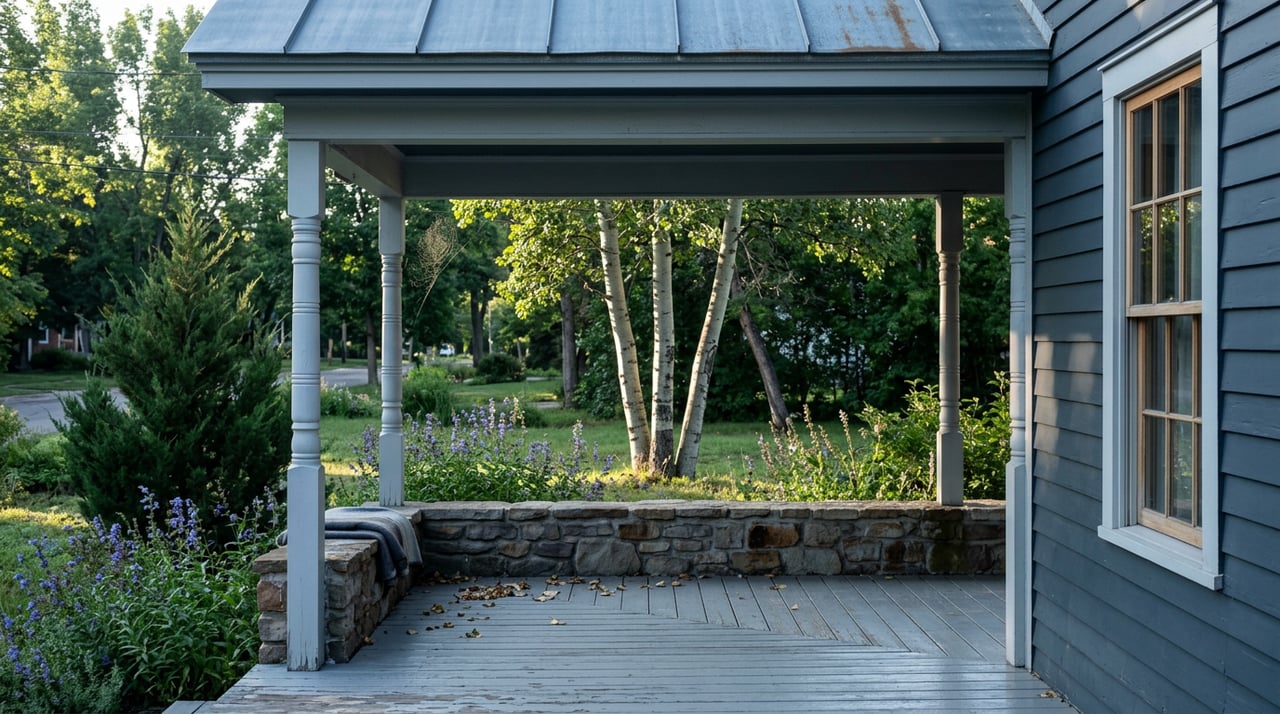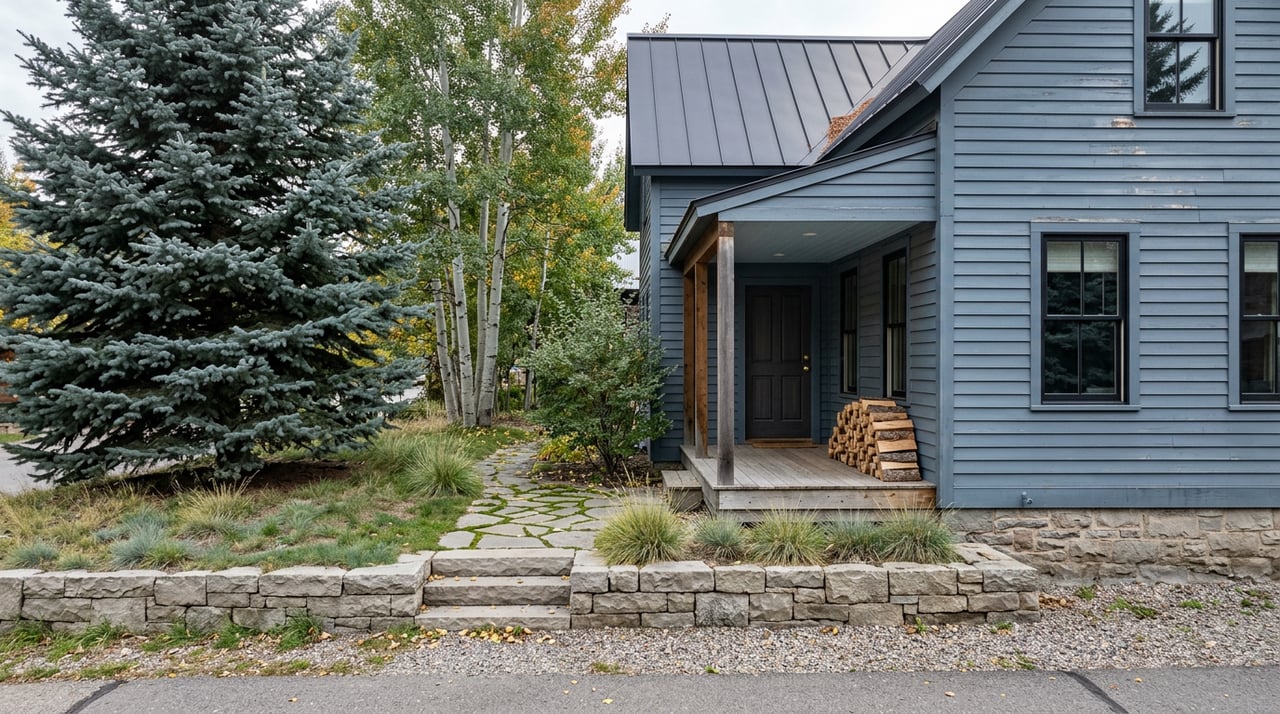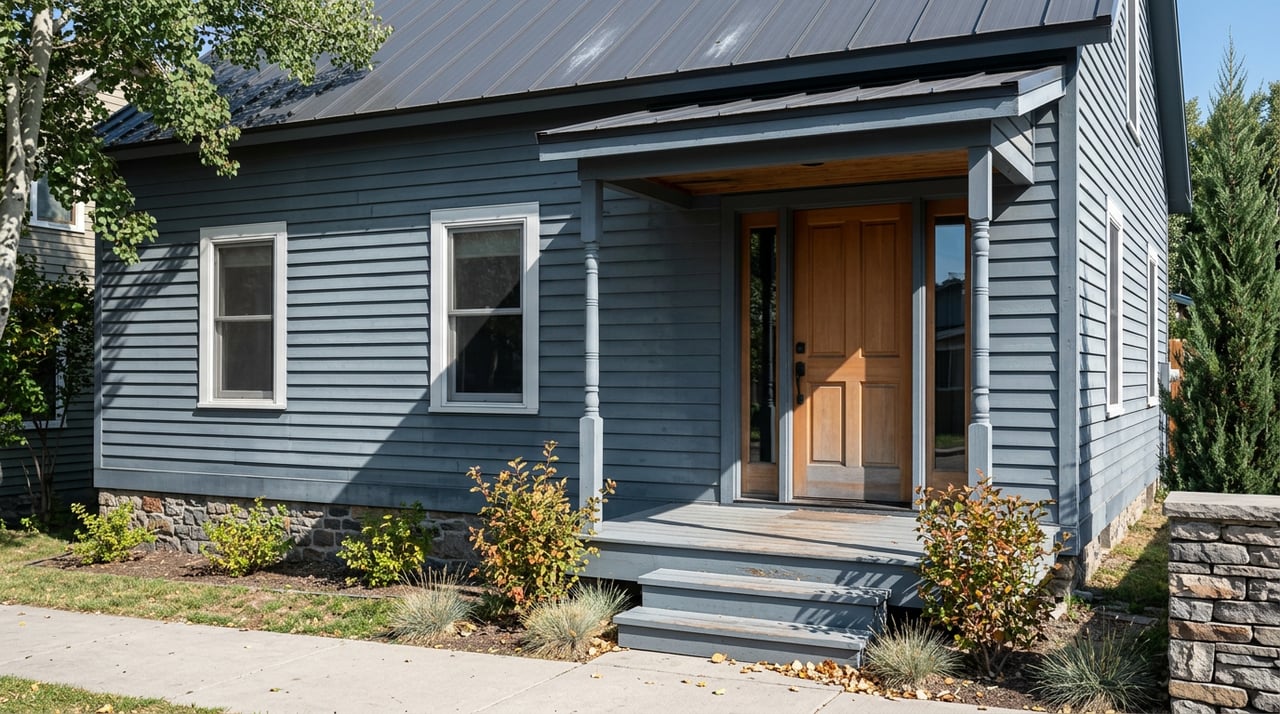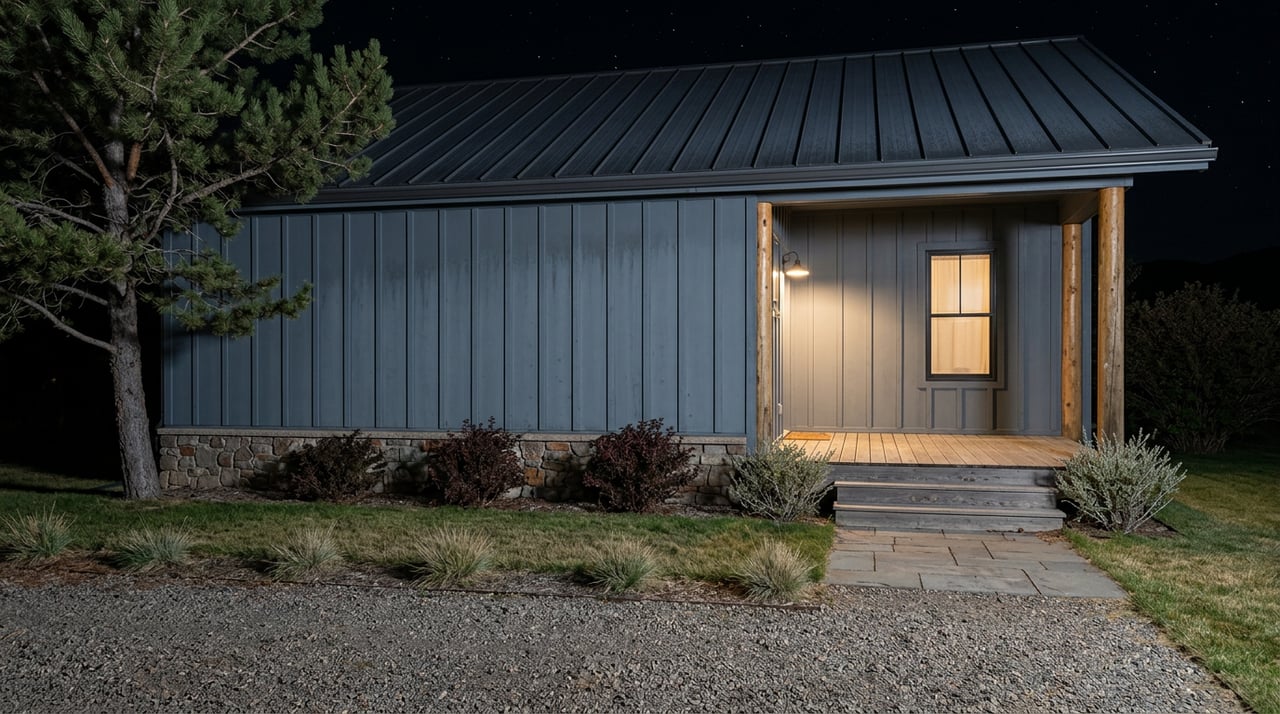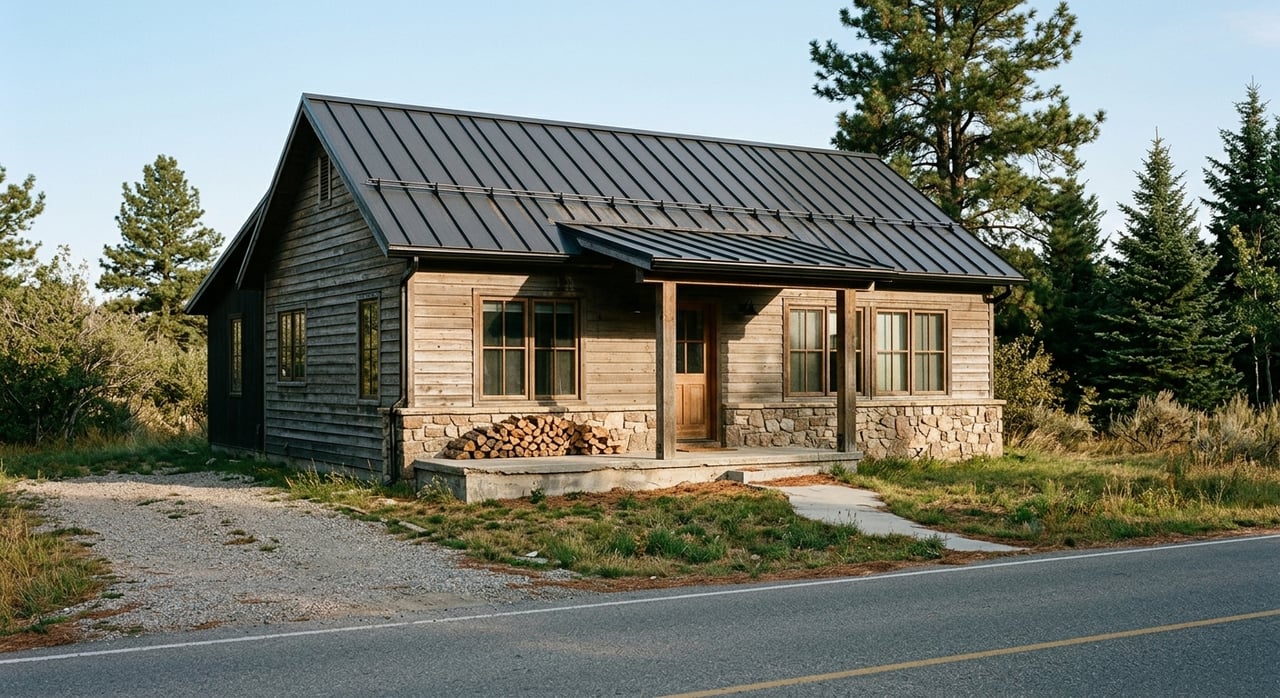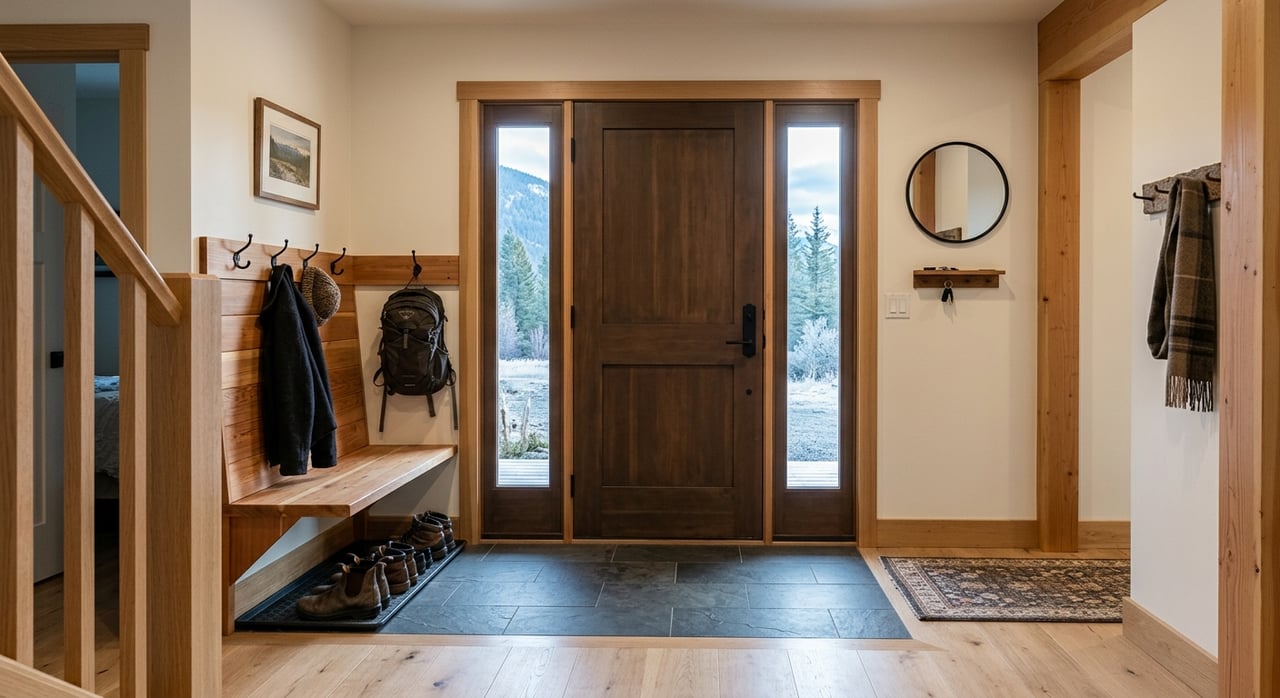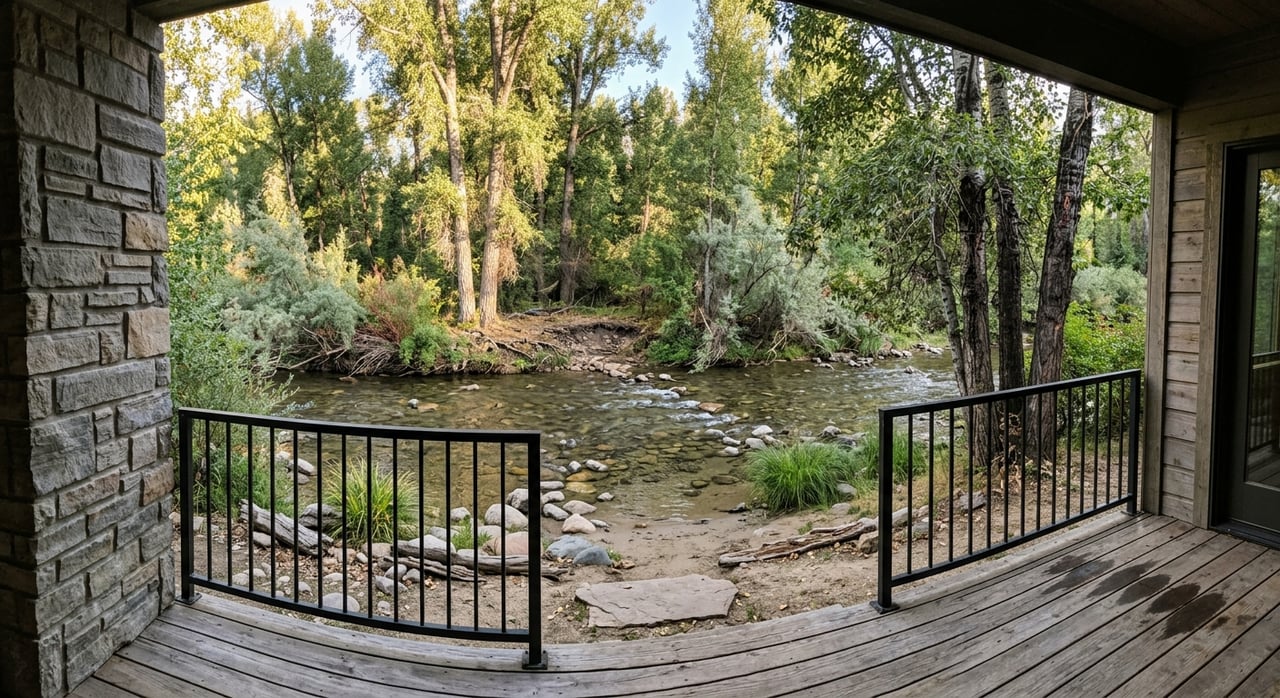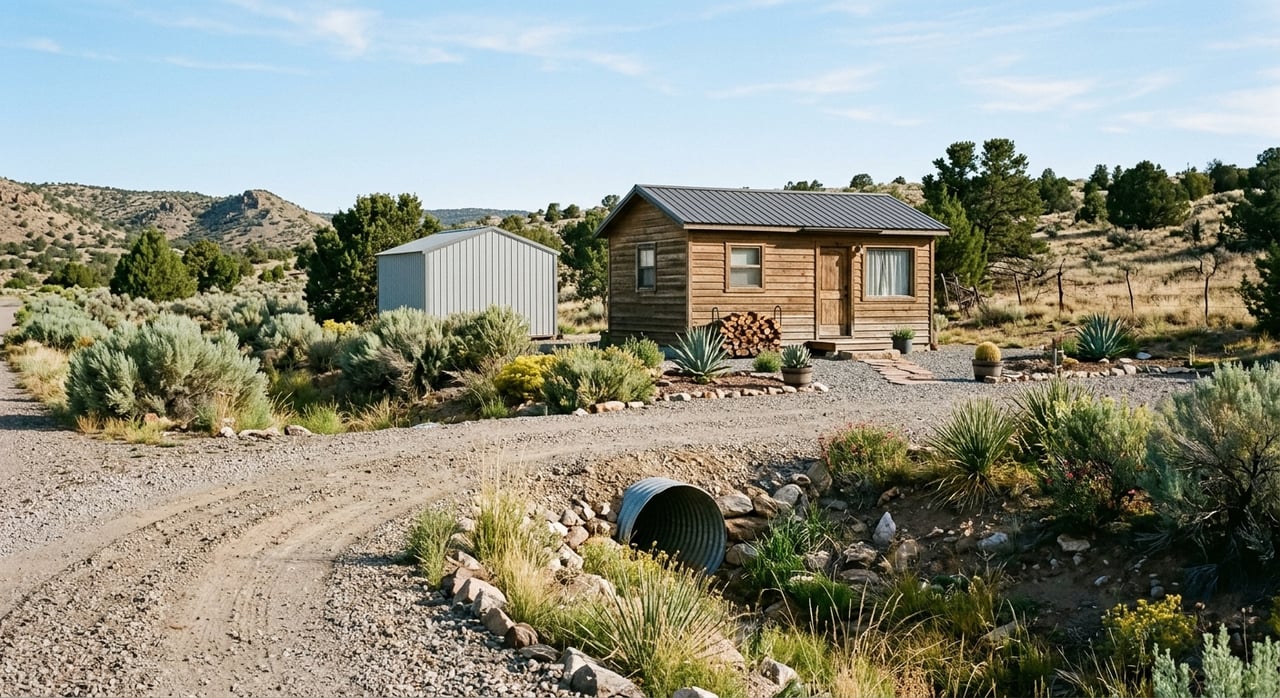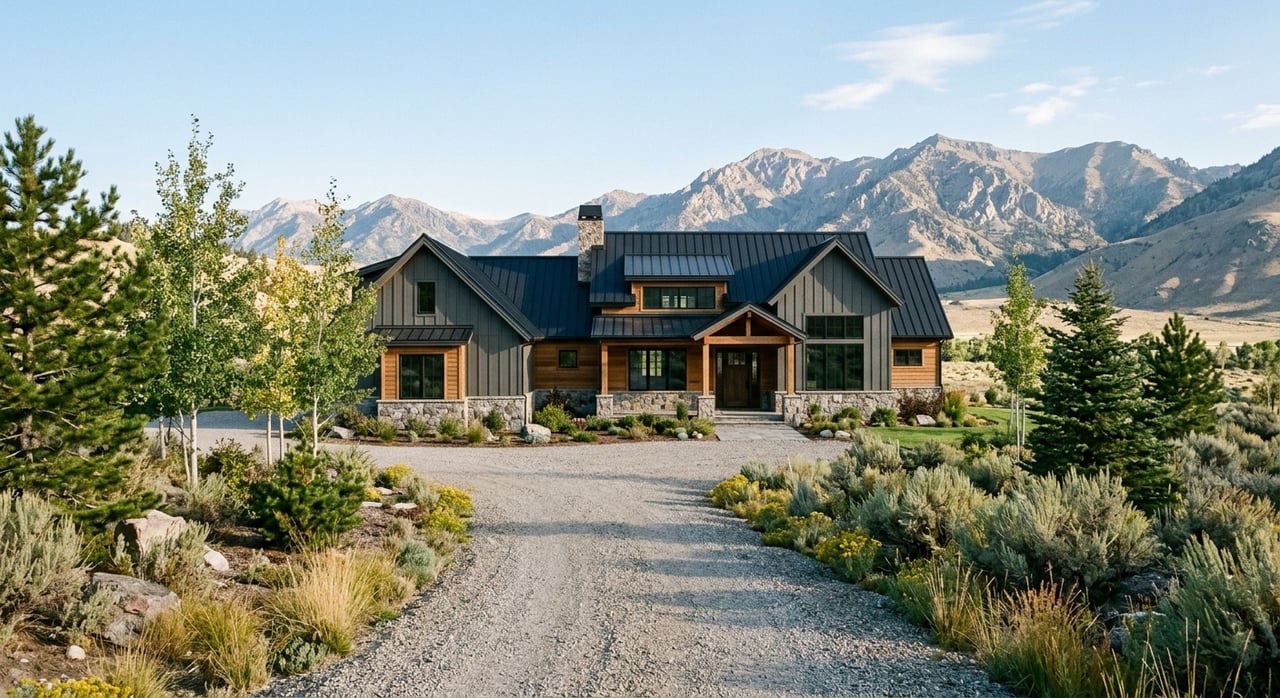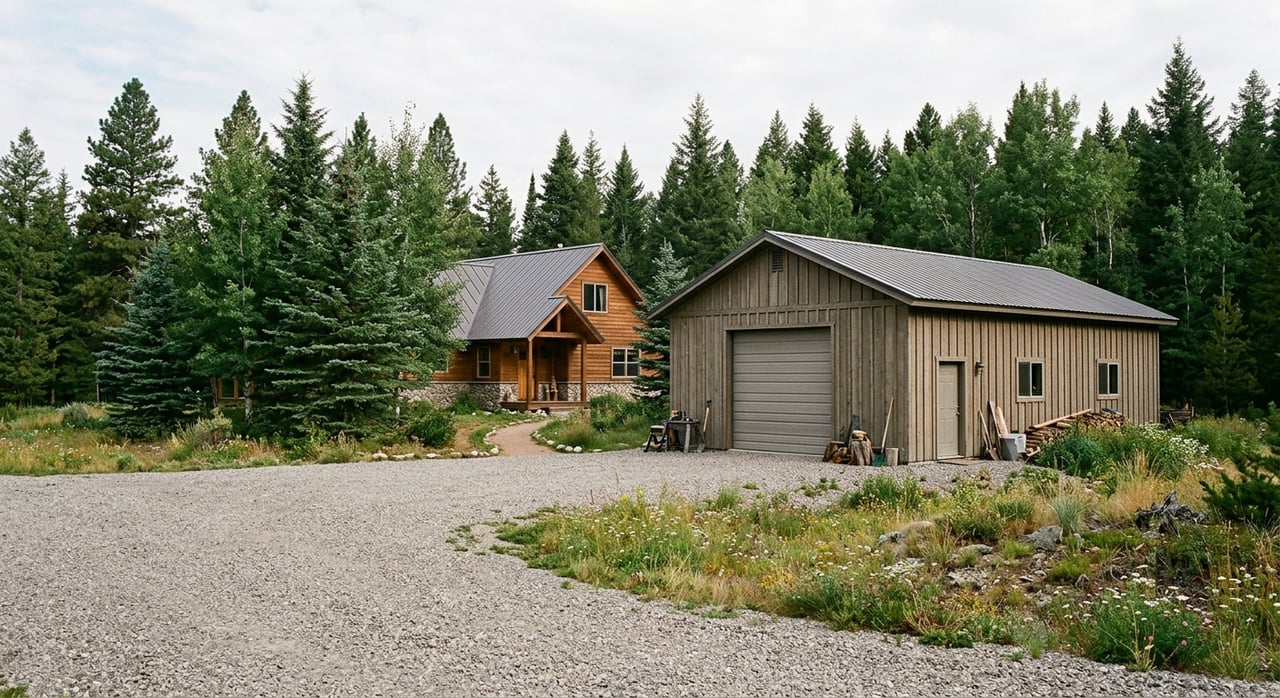
If you love the idea of elbow room without feeling cut off from town, small acreage near Colona can be a very appealing fit. You get more space, bigger skies, and a rural pace, but you also take on practical responsibilities that shape daily life. If you are thinking about buying in the 81403 area, this guide will help you understand what small-acreage living near Colona really looks like and what to check before you commit. Let’s dive in.
Why Colona acreage appeals
Small acreage near Colona offers a lifestyle that feels rural without being fully remote. The US 550 corridor south of Montrose is an important regional route that connects local communities and destinations to the south, which helps keep this area tied into everyday services and travel.
That balance is a big part of the appeal. You may have room for a garden, equipment, pets, or a detached outbuilding, while still staying connected to Montrose and nearby mountain towns for work, errands, and recreation.
What daily life feels like
Living on a few acres near Colona often means trading close neighbors for more independence. You may enjoy quieter surroundings and more flexibility in how you use your land, but you also become the person responsible for the land, the access, and the systems that keep the property functional.
The climate plays a major role in that routine. A nearby NOAA climate proxy at Montrose #2, at 5,789 feet, shows average annual precipitation of 9.33 inches and average annual snowfall of 21.5 inches, with January mean temperatures of 40.2 and 17.5 degrees Fahrenheit and July mean temperatures of 90.2 and 59.2 degrees Fahrenheit.
In practical terms, that usually means planning for dry conditions most of the year and winter access when weather shifts. Dust control, irrigation, freeze protection, and snow removal are not side issues here. They are part of regular ownership.
How a few acres are often used
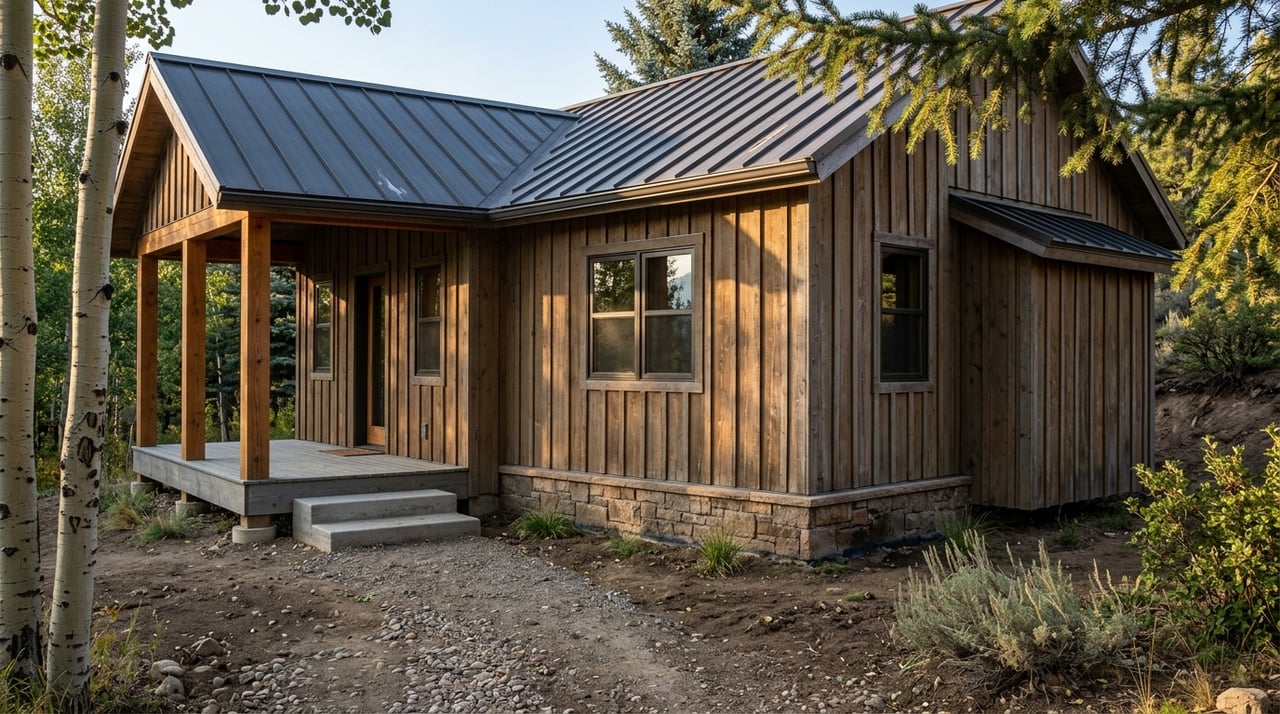
For many buyers, small acreage is less about large-scale agriculture and more about breathing room and practical use. You may be looking for space for a workshop, storage shed, chickens, a modest garden, extra parking, or simply a buffer between your home and the road.
Montrose County rules support that kind of everyday use, but they also set boundaries that matter. According to county guidance, one-story detached accessory structures under 200 square feet can be exempt from a permit, and fences under 6 feet do not require a permit.
That can be helpful if you are picturing simple improvements like a small shed or coop. At the same time, it is important not to assume that a few acres automatically function like a full agricultural property.
Zoning still shapes your options
Montrose County says most of the county is zoned General Agricultural, but that does not mean every small parcel can support larger agricultural buildings without meeting specific standards. The county states that barns or agricultural buildings are allowed only when the parcel is actively used for agriculture or ranching and is at least 35 acres.
For a property with only a few acres, your use will often fall under residential or accessory-structure rules instead. That distinction matters if your long-term vision includes more than a home and a few smaller outbuildings.
Setbacks matter too, especially when you are trying to place a shop, fence, or other improvement in a way that works with the lot. In General Agricultural zoning, front setbacks are 25 feet and side and rear setbacks are 10 feet. In General Residential zoning, front setbacks are 25 feet, rear setbacks are 10 feet, and side setbacks are 5 feet.
Planning for a second dwelling
Some buyers want acreage for multigenerational living, a caretaker setup, or flexibility down the road. Montrose County says an Additional Dwelling Unit is allowed in General Agricultural with at least 1 acre and in General Residential.
The county FAQ also describes a framework of two homes on the first ten acres and one home plus one septic system for each additional ten acres. If a second dwelling is part of your plan, it is worth confirming zoning, septic capacity, and any parcel-specific constraints early in your search.
County rules are only part of the picture
One of the easiest mistakes on rural property is focusing only on county rules. Montrose County states that it does not enforce private covenants, which means deed restrictions or HOA rules may affect what you can do even if the county would otherwise allow it.
That is especially important on acreage where buyers often assume more freedom than they actually have. Before you move forward, make sure you understand both public land-use rules and any private restrictions tied to the parcel.
Water is a first-step issue
On small acreage near Colona, water should be one of your first due diligence questions. Colorado’s Division of Water Resources says well permits are issued through the agency, complete reviews can take up to 49 days, and private-well owners are responsible for water safety because private wells are not covered by the Safe Drinking Water Act.
That means you should not treat water as a box to check at the end. You will want to understand whether the property has a well, what the permit status is, and how the available water lines up with your intended use.
Irrigation deserves its own attention. Montrose County says it does not regulate irrigation water, so if you are hoping for a productive garden, pasture, or heavier outdoor use, that becomes a water-supply question as much as a zoning question.
Septic can define what is possible
Septic is another major item on acreage property. Montrose County says the minimum lot size for a septic system is 1 acre and that all septic systems must be designed by a Colorado-licensed engineer.
The county also states that no building permit for a dwelling that is not served by sewer will be issued until an approved onsite wastewater treatment system permit is in place. If you are buying land to build, or buying an older property with future plans, septic review is not optional. It can shape both cost and feasibility.
Access, addresses, and boundaries matter
Acreage buyers often focus on views and usable space first, but access and boundaries deserve equal attention. Montrose County says that if there is no recorded plat and no boundary pins can be found, a survey may be needed.
That can become important quickly if you are planning fencing, building placement, or shared access improvements. The county also says that before a one- or two-family dwelling permit is issued, access to the property and an assigned address must have been applied for.
In other words, even when a parcel looks straightforward, the paper trail and access details still matter. A practical review early in the process can save you time and frustration later.
Future subdivision is not simple
Some buyers see a few acres and wonder whether they can split it later. Montrose County says Colorado properties under 35 acres may not be created without local approval, and subdivision eligibility also requires frontage on a county road, potable water, and compliance with minimum lot size rules.
That does not mean future division is impossible in every case, but it does mean you should not buy based on assumptions. If subdivision potential matters to you, confirm it directly before you treat it as part of the property’s value.
Winter readiness is part of the lifestyle
The US 550 corridor is a key route, but mountain and high-country travel still comes with seasonal demands. State winter-driving guidance emphasizes checking road conditions, preparing tires and traction, and planning for steep grades, changing weather, wildlife, and rocks on the roadway.
For small-acreage owners near Colona, winter readiness often extends beyond your vehicle. You may also need to think about driveway maintenance, snow storage, turnaround space, and how easily service providers can reach the property during winter weather.
Wildfire review now matters more
Wildfire planning has become a more visible part of property diligence in Montrose County. The county adopted a Wildfire Resiliency Code on April 1, 2026, with an effective date of July 1, 2026.
According to the county, the code requires structure hardening and defensible space in applicable wildland-urban interface areas, and the county provides a wildfire layer on its zoning map. For buyers looking at acreage, wildfire exposure is now a practical review item alongside water, septic, and access.
Who tends to enjoy this lifestyle most
Small-acreage living near Colona tends to work best if you value space and independence and feel comfortable with hands-on ownership. The rewards can be meaningful, but so are the ongoing responsibilities.
This kind of property usually fits buyers who understand that the day-to-day experience is shaped as much by water planning, septic, snow, access, wildfire preparation, and covenant review as it is by the acreage itself. If that practical side of ownership sounds manageable to you, the area can offer a very satisfying balance of room to breathe and connection to the broader Montrose and mountain region.
If you want help evaluating acreage near Colona or sorting through the details that matter most, Peggy Lindsey offers practical, local guidance for buyers navigating mountain and valley properties in this part of Southwest Colorado.
FAQs
What is daily life on small acreage near Colona like?
- Small-acreage living near Colona often feels rural but not fully remote, with more space and independence balanced by regular responsibilities like water planning, snow removal, dust control, and property upkeep.
What should you check before buying acreage near Colona?
- Key due diligence items for acreage near Colona include water supply, well permit status, septic feasibility, zoning, setbacks, access, address assignment, boundary clarity, wildfire review, and any private covenants or HOA restrictions.
Can you build a second home on small acreage near Colona?
- Montrose County says an Additional Dwelling Unit is allowed in General Agricultural with at least 1 acre and in General Residential, but you should also verify septic capacity, zoning details, and parcel-specific limits.
Do you need a permit for small outbuildings on acreage in Montrose County?
- Montrose County says one-story detached accessory structures under 200 square feet can be exempt from a permit, and fences under 6 feet do not require a permit.
Is water a major concern for small acreage near Colona?
- Yes. The area’s dry climate makes water planning important, and Colorado’s Division of Water Resources says private-well owners are responsible for water safety and that well permit reviews can take up to 49 days when the application is complete.
Can you subdivide a small-acreage property near Colona later?
- Montrose County says properties under 35 acres may not be created without local approval, and subdivision eligibility also depends on factors like county road frontage, potable water, and minimum lot size rules.