Wondering whether condo or HOA life in Telluride will feel convenient or restrictive? That is a smart question to ask before you fall in love with a view, a deck, or a location near the lifts. If you are buying a full-time home, second home, or condo with possible rental plans, it helps to understand how ownership, fees, and rules really work in Telluride. Let’s dive in.
What Condo Ownership Means
When you buy a condo in Colorado, you usually own your individual unit and also share an ownership interest in the common elements. Those common elements can include things like hallways, parking areas, open space, elevators, or amenity spaces, depending on the property. The homeowners association manages those shared areas and funds that work through assessments.
Most Colorado condo and HOA communities are governed by the Colorado Common Interest Ownership Act, often called CCIOA. According to Colorado's homeowner association purchase guide, some rules can still differ for communities created before July 1, 1992. In practical terms, that means the age of a Telluride building and the date of its declaration can affect how the association operates.
That is why two Telluride condos that look similar online can feel very different once you review the documents. The declaration, bylaws, and house rules may shape your day-to-day experience almost as much as the floor plan or location.
How HOA Rules Affect Daily Life
In a Telluride condo community, the governing documents often spell out what is allowed and what is not. Colorado notes that covenants may limit pets, parking, exterior changes, and rentals, and that the association is generally responsible for maintaining common elements while the owner is responsible for the unit unless the declaration says otherwise. Those details matter more than many buyers expect.
If you are picturing easy mountain living, condo ownership can absolutely offer that. It can also mean shared decisions, community standards, and rules around how amenities are used. The tradeoff is simple: you often get convenience and less exterior upkeep, but you also agree to a more structured form of ownership.
What Telluride Condo Living Can Look Like
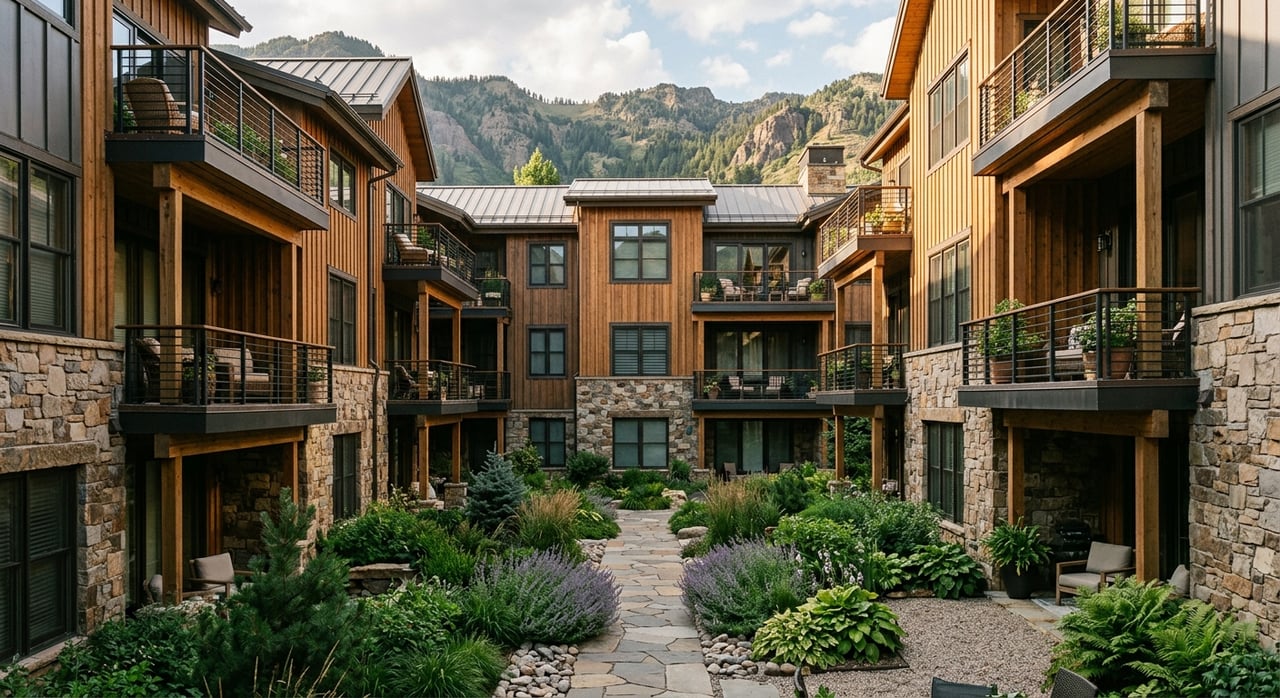
One reason buyers are drawn to Telluride and Mountain Village condos is the lifestyle value. In many communities, you may give up some private square footage in exchange for a strong location and shared amenities. Depending on the property, that could mean lift access, shuttle proximity, parking, open space, pools, hot tubs, elevators, exercise rooms, or concierge-style services.
For example, Telluride Lodge highlights features like nearby Coonskin Lift 7 access, the River Trail, grocery access through the building, a free shuttle stop, open space, and private parking. At the resort-style end of the spectrum, the same source notes that residences at The Peaks include ski-in/ski-out access, elevator service, pool and hot tub amenities, an exercise room, assigned parking, and concierge support.
That variety is important. One building may be ideal if you want simple ownership and easy access to town, while another may better fit a buyer looking for a more service-oriented setup. The key is matching the building's rules and fee structure to how you actually plan to use the property.
HOA Fees Are More Than a Monthly Number
It is easy to focus on the list price and treat HOA dues as a side note. In reality, the monthly, quarterly, or annual assessment is a major part of the ownership picture. According to the Colorado Division of Real Estate's HOA finance guidance, regular assessments fund ordinary operating costs, and associations can also charge special assessments for specific repairs, replacements, or new construction.
A lower monthly fee is not always the better deal. If a building is underfunded, owners may face larger costs later. Colorado's HOA FAQ explains that while not every association must commission a reserve study, CCIOA does require a reserve-study policy that addresses when a study will be performed, whether there is a funding plan, and whether the study includes physical and financial analysis.
In plain English, reserves are the funds set aside for future major expenses. Roofs, siding, parking surfaces, mechanical systems, and other shared components wear out over time. If the reserve planning is weak, owners may feel that impact later through special assessments or fee increases.
Insurance Matters Too
Another part of the fee conversation is insurance. Colorado's HOA buyer guidance says associations must carry coverage for common-element property and liability. If you are buying an attached unit, it is worth asking what the association insures and what type of owner coverage you will need to carry yourself.
This is one of those details that can affect your total cost of ownership more than expected. A solid review of the insurance summary can help you understand both coverage limits and deductibles before closing.
Smart Questions to Ask Before You Buy
If you are serious about a Telluride condo, document review should be part of your decision, not an afterthought. Colorado requires sellers to disclose whether the property is in an HOA and provide important materials, including the covenants, bylaws, recent annual owners' meeting records, recent board or manager meeting minutes, and recent financial statements if available. Sellers must also disclose known covenant violations and any approved special assessments or increases, whether or not they have started yet, according to the state's HOA purchase guide.
For deeper due diligence, ask for:
- The current budget
- The annual financial disclosure
- The reserve policy and funding plan
- The insurance summary
- Recent meeting minutes
- A record of recent or planned assessment increases
- Any known rule violations tied to the unit
Colorado also notes in its HOA FAQ that there is no central statewide repository for HOA governing documents. In many cases, buyers need to request them through the listing side once a contract is in place.
Management Style Can Shape Your Experience
Not every HOA runs the same way. Some communities are professionally managed, while others are self-managed. According to Colorado's HOA buying resource, community association managers generally handle day-to-day operations, while self-managed associations may respond more slowly or have less administrative experience.
That does not automatically make one option good or bad. It does mean you should understand how the association functions, who handles owner communication, and how maintenance, billing, and rule enforcement are managed. In a mountain market where seasonal access, maintenance timing, and coordination can matter, that operational style can affect your ownership experience.
Rental Rules Matter in Telluride
If you may rent the condo at any point, this deserves close attention. In Telluride, local licensing and zoning rules can directly affect how, when, and whether a property can be rented on a short-term basis. According to the Town of Telluride's short-term rental license information, a business license is required before a short-term rental is advertised, the license number must appear in advertisements, and non-hotel short-term rentals are subject to a total tax rate of 17.22%.
The same Town guidance says that in residential zones, short-term rentals are limited to three separate rentals per year and 29 total nights. It also notes that a mid-term license covers rentals of more than 29 nights but less than six months.
That is only one layer. The second layer is the HOA itself. Even if local rules allow a certain use, the condo association may be more restrictive about rentals, pets, parking, or renovations. For many second-home buyers, that is where expectations and reality can separate quickly.
Why the Documents Matter So Much
In Telluride, condo buying is not just about the unit. You are also buying into a legal and financial system. That system can be very convenient when the dues, reserves, management style, and house rules line up with how you want to use the property.
This is especially true in a market where buyers may be balancing personal use, lock-and-leave convenience, and possible rental income. A beautiful unit in a strong location may still be the wrong fit if the association's rules do not support your plans.
A Practical Way to Evaluate a Telluride Condo
If you want to keep your decision grounded, focus on five core questions:
- What do the dues actually cover?
- How healthy are the reserves and has the association planned for major repairs?
- Are there any pending or approved special assessments?
- How restrictive are the rules on rentals, pets, parking, and renovations?
- Is the association professionally managed or self-managed?
Those questions can help you compare properties that may look similar on paper but operate very differently in real life. In a market like Telluride, that kind of clarity can save you time, money, and frustration.
If you are sorting through condo options in Telluride or nearby mountain communities, having a calm, local guide can make the process much easier. Peggy Lindsey and the team at Ouray Real Estate Corporation offer straightforward guidance to help you look past the photos and understand how a property may function day to day.
FAQs
What does condo ownership in Telluride usually include?
- You typically own the interior unit plus a shared interest in common elements, while the HOA maintains shared property and funds that work through assessments.
What should buyers review before buying a Telluride condo in an HOA?
- Buyers should review the covenants, bylaws, recent meeting minutes, financial statements, reserve policy, insurance summary, and any disclosures about violations or approved assessments.
What do HOA fees in Telluride condos usually pay for?
- HOA fees often pay for routine operating costs tied to shared property and amenities, while special assessments may be charged separately for major repairs, replacements, or other specific projects.
How do Telluride rental rules affect condo buyers?
- Town licensing and zoning rules may limit short-term rental activity, and the HOA may impose even stricter rental limits, so both sets of rules should be reviewed together.
Why does HOA management style matter for a Telluride condo?
- Professional or self-management can affect communication, maintenance response, billing, recordkeeping, and the overall ease of ownership.
Are low HOA dues always better in Telluride?
- No. Lower dues can look appealing, but they are not always a positive sign if the building appears under-reserved or likely to need future special assessments.