If you need to sell a Montrose home while living somewhere else, you are not alone, and you do not have to handle every detail in person. Remote sales can feel overwhelming at first, especially when you are juggling paperwork, property prep, and timing from a distance. The good news is that with the right plan, you can stay organized, protect your timeline, and move through the process with fewer surprises. Let’s dive in.
Start With Today’s Montrose Market
Before you make repair plans or set a price, it helps to understand the pace of the local market. In April 2026, Montrose County reported 5.3 months of inventory, 119 days on market until sale, and sellers received 97.3% of list price year to date. That points to a market where realistic pricing and patience matter.
If you live out of town, this is especially important. You may be tempted to price high and wait, but a slower market can make that strategy costly if the home sits too long. A grounded pricing plan gives you a better chance of attracting serious buyers without creating extra months of holding costs.
Can You Sell Without Coming Back?
In many cases, yes. Colorado allows remote notarization when the notary is physically located in Colorado and the signing happens through a real-time audio-video session using a remote notarization system.
That can reduce the need to travel back for every signing appointment. Montrose County also accepts real estate documents in person, by mail, or through e-recording, which makes many pre-closing and recording steps more manageable for absentee owners.
Confirm Ownership and Signing Authority Early
One of the most common delays in an out-of-town sale is paperwork that should have been checked at the beginning. Montrose County’s Assessor provides public property records and parcel maps online, which can help you confirm basic property details early in the process.
If the property is inherited, signing authority matters just as much as ownership. Colorado probate guidance says the estate is opened in the district court where the decedent lived, or if the decedent lived out of state, in any Colorado county where the person owned property. Once appointed, the personal representative receives Letters Testamentary or Letters of Administration showing who is authorized to act for the estate.
Use Colorado Forms, Not Informal Templates
When you are selling from a distance, standardized paperwork helps keep the process clear. Colorado brokers are required to use Commission-approved contracts and forms as appropriate to the transaction, and the 2026 forms list includes seller disclosures, sales contracts, closing forms, and deed forms.
That matters because remote sales already have enough moving parts. Using the proper Colorado forms helps reduce confusion and keeps everyone working from the same set of documents and expectations.
Be Careful and Complete With Disclosures
Living elsewhere does not reduce your disclosure duties. Colorado’s residential Seller’s Property Disclosure, with a mandatory use date of January 1, 2026, must be completed by the seller based on current actual knowledge.
The form also requires prompt disclosure of any newly discovered adverse material fact. In plain terms, if you learn something important during the sale process, you cannot sit on it until closing.
This form is especially relevant for absentee owners because it asks whether the property was vacant or occupied by someone else during periods when you did not live there. If the home was a rental, second home, or inherited property, be thoughtful and accurate when answering.
The form is not a warranty, and it does not replace inspections. You can also attach additional pages, reports, and receipts, which is helpful if you want to document repairs, maintenance history, or known issues for buyers.
If the Home Was Built Before 1978
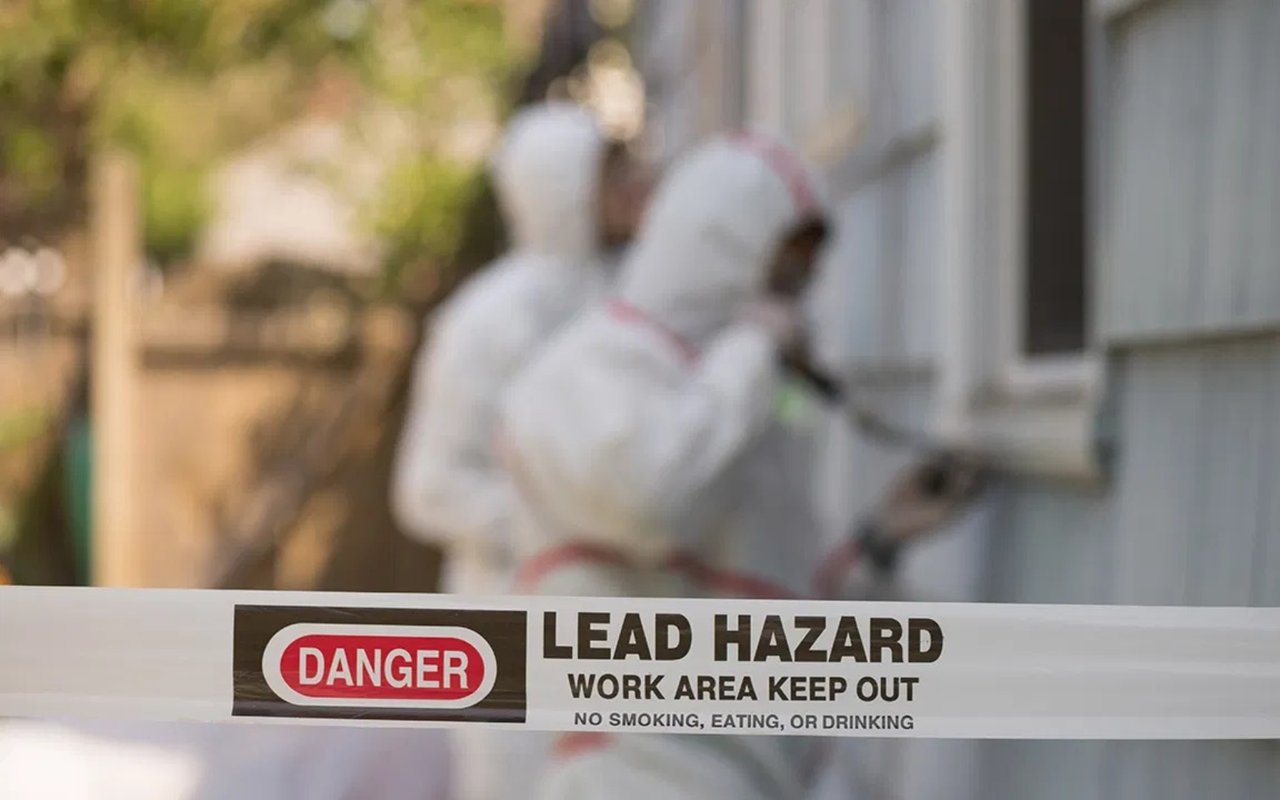
Older homes need one more step. If the property was built before 1978, federal law requires disclosure of known lead-based paint hazards before the sale contract is signed, along with the required pamphlet and any related records you have.
If you are doing paint or repair work before listing, use caution. The EPA notes that renovation, repair, and painting work in older homes can create significant lead dust, so contractors should follow lead-safe work practices. That is an important detail when you are hiring help from out of town and may not be present to supervise the work yourself.
Build a Local Prep Team
Out-of-town sellers usually need more than a sign in the yard. If the home needs cleaning, yard work, minor repairs, or staging touches, you will likely need a local group of service providers to handle those tasks efficiently.
A simple checklist can keep everyone aligned. Common prep items often include:
- Deep cleaning
- Decluttering
- Lawn or landscape cleanup
- Minor handyman repairs
- Touch-up paint where appropriate
- Professional photography
- Video or virtual tour scheduling
When you are remote, photo updates matter. Ask for before-and-after photos so you can confirm the work is complete without making an extra trip.
Presentation Matters More When You’re Remote
A distant seller has one big challenge that local sellers may not feel as strongly. Many buyers will form their first impression online before they ever schedule a showing.
That makes visuals especially important. The National Association of Realtors reported in 2025 that 83% of buyers’ agents said staging helped buyers visualize a property as their future home, and 49% of sellers’ agents said staging reduced time on market. The same report noted that photos, videos, and virtual tours are highly important to buyers.
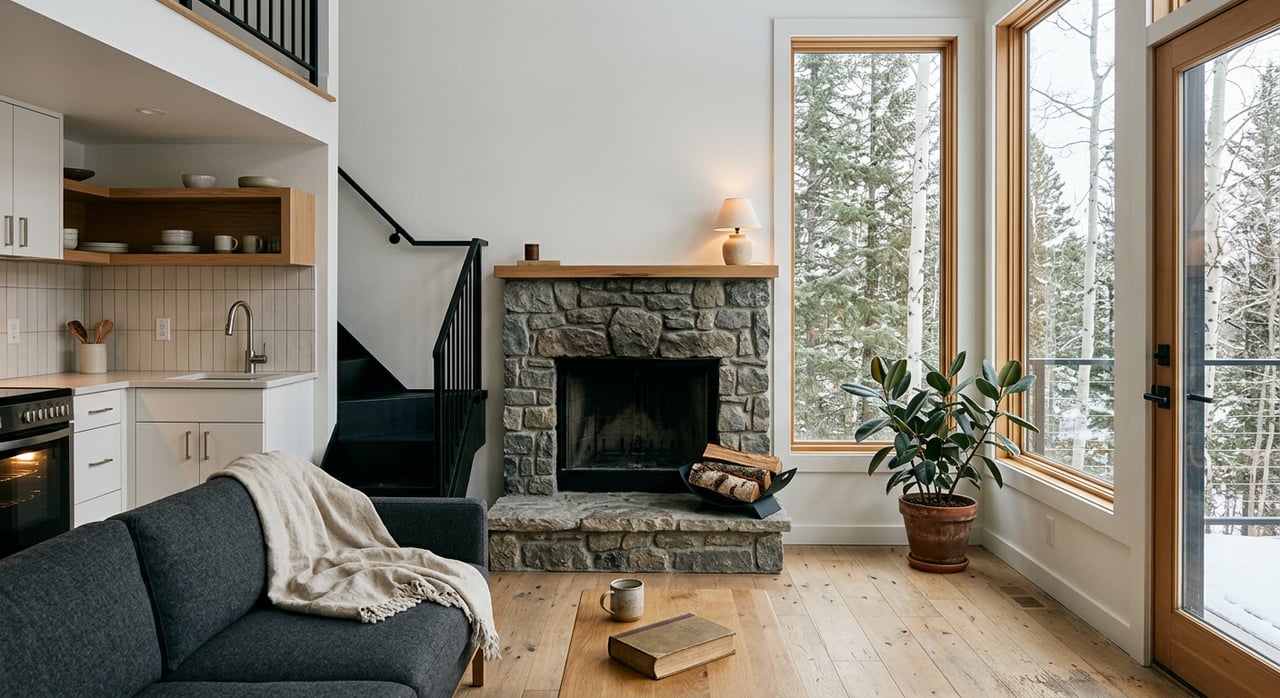
You do not need to overdo it. Clean rooms, clear surfaces, strong lighting, and accurate photos can go a long way. If virtual staging is used, any material changes to the images should be disclosed so buyers are not misled.
Plan for Showings Without Daily Stress
Remote sellers often worry that they will lose control of the property once showings begin. A clear showing plan can help.
Start by deciding how access will work and how quickly the home can be shown. If the property is vacant, it may be easier to accommodate buyers, but it is still smart to have a routine for checking the home’s condition, especially if it will sit on the market for a while.
In a market where homes are taking longer to sell, regular check-ins matter. A vacant property may need lawn care, seasonal maintenance, and occasional interior visits to spot leaks, heating issues, or other problems before they become expensive.
Watch the Timeline From Listing to Closing
An out-of-town sale often feels like it should move fast once the home is listed. In reality, the process may take longer than expected in the current Montrose market.
That is why your timeline should include more than just listing day. Build in time for prep work, photography, market exposure, negotiations, inspections, any repair discussions, final signing, and recording.
It also helps to check payoff and lien-release issues early. Montrose County’s Treasurer and Public Trustee handles property taxes, foreclosures, and releases of deeds of trust. If there is a mortgage payoff or lien issue to clear up, addressing it early can help avoid delays near closing.
Know What Happens at Recording
Recording is one of those behind-the-scenes steps that becomes very important at the end. Montrose County’s Clerk and Recorder requires recorded documents to meet county formatting rules and include the grantee’s mailing address for deed transfers.
The county also charges recording fees and a documentary fee on conveyances over $500. Its recording information also notes that a release of deed of trust must be sent to the Treasurer’s Office before recording. These details are easy to overlook if you assume everything will sort itself out at the last minute.
A Simple Remote Seller Checklist
If you want a cleaner path forward, focus on these steps first:
- Confirm ownership details and parcel information.
- Verify who has legal signing authority.
- Gather prior repair records, receipts, and service information.
- Complete the Colorado seller disclosure carefully.
- Check whether the home was built before 1978.
- Line up local cleaners, repair help, and photo prep.
- Price for current Montrose conditions, not old assumptions.
- Plan for remote signing and final recording steps.
- Review taxes, payoffs, and any lien-release issues early.
Remote Sales Work Best With Clear Communication
When you are not nearby, communication becomes part of the service, not an extra. You need straightforward updates, practical advice, and a local point of contact who can keep prep, showings, and closing details moving in the right order.
That is especially true for estate sales, former rentals, or homes that have been vacant. These sales are often emotional as well as logistical, and steady local guidance can make the process feel much more manageable.
If you are preparing to sell a Montrose home from out of town, Peggy Lindsey offers calm, personalized guidance backed by long experience helping remote and transition-focused clients in Southwest Colorado.
FAQs
Can you sell a Montrose home while living out of state?
- Yes. Remote notarization can allow you to sign from elsewhere as long as the notary is located in Colorado, and Montrose County accepts some document handling by mail or e-recording.
What disclosures do out-of-town sellers need for a Montrose home?
- Colorado’s residential Seller’s Property Disclosure must be completed based on your current actual knowledge, and newly discovered adverse material facts must be disclosed promptly.
What if the Montrose home is inherited?
- The key issue is legal authority. The personal representative must be properly appointed through probate and have Letters Testamentary or Letters of Administration showing authority to act for the estate.
Do absentee sellers need to come to Colorado for closing?
- Not always. Colorado remote notarization rules can reduce the need to travel for signing, depending on the closing documents and the parties involved.
How long might it take to sell a Montrose home?
- Montrose County’s April 2026 market update showed 119 days on market until sale, so sellers should plan for a measured process rather than assume a very fast contract.
What should remote sellers do before listing a Montrose property?
- Start with ownership verification, disclosure prep, pricing, and a local plan for cleaning, repairs, yard work, and professional photos or video.