Wondering whether a Telluride home or condo is the better fit? In this market, that choice is only the starting point. If you are buying for personal use, part-time living, or future rental income, the details that matter most often come down to zoning, parking, access, and local rules. This guide will help you sort through those factors so you can make a more confident Telluride decision. Let’s dive in.
Start With How You Will Use It
Before you compare floor plans or finishes, get clear on how you want the property to work for you. A full-time residence, second home, ski basecamp, and rental-focused purchase can each point you toward a different type of property.
In Telluride, the label on the listing does not tell the whole story. A condo, townhome, or detached home may come with very different rental rules depending on where it sits. That is why it helps to start with your goals first, then match those goals to the property’s location and zoning.
Why Zoning Matters in Telluride
In many markets, buyers can focus mostly on size, layout, and amenities. In Telluride, zoning can shape how you use the property just as much as the property type itself.
Town guidance notes that most Residential Zone Districts are north of Colorado Avenue. In those residential zones, short-term rentals are limited to 29 nights total per year and no more than three separate rentals. Long-term rentals are allowed townwide, but in Residential Zones they are still limited to three rentals per calendar year.
That makes a big difference if you plan to offset ownership costs with rentals. A property in a non-residential zone may offer far more flexibility than a similar-looking property in a residential zone.
Compare Homes, Condos, and Townhomes
In-Town Homes
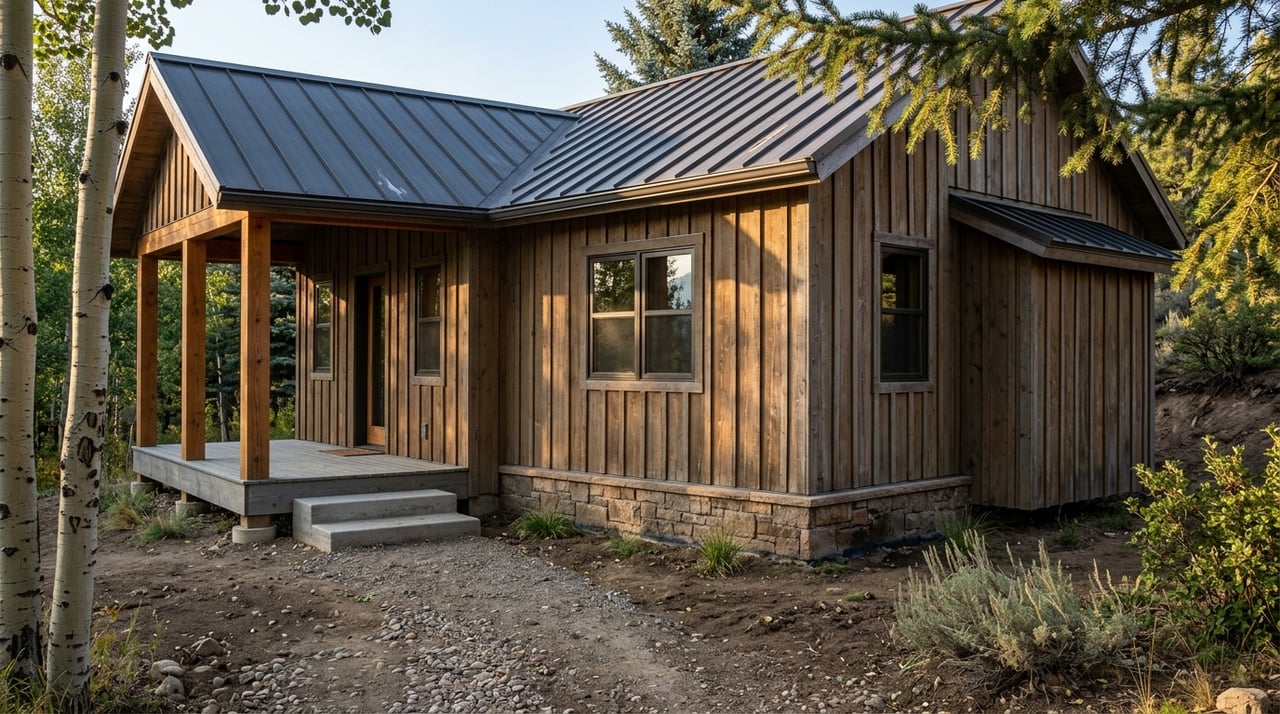
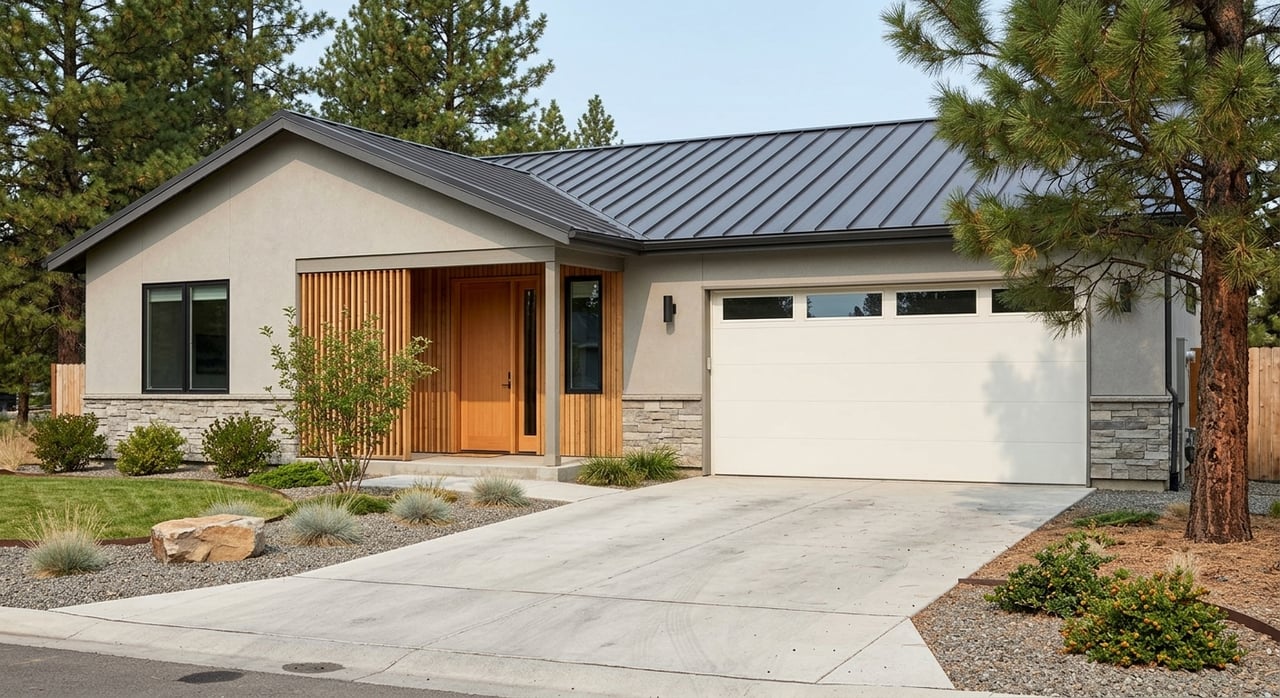
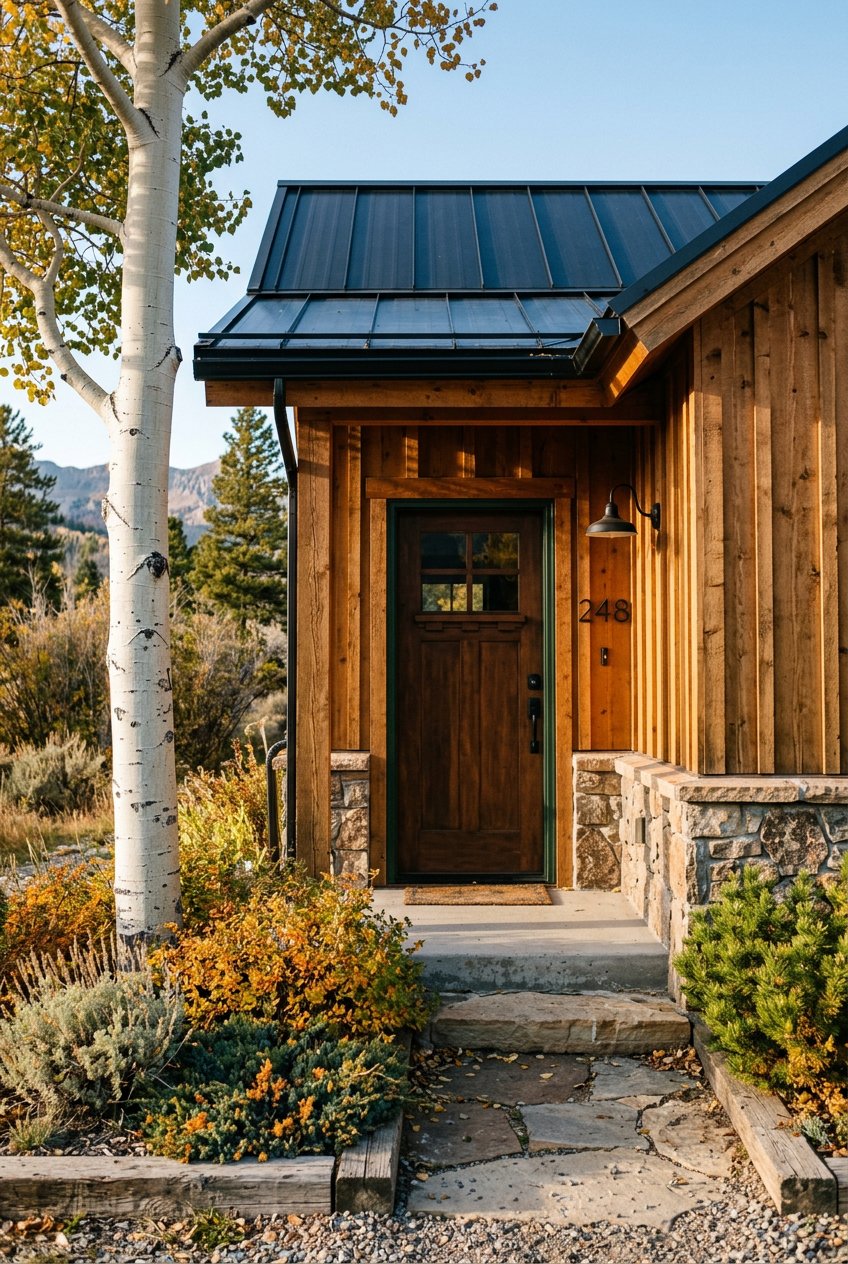
If you want a classic Telluride house in the historic core, an in-town home may be the best fit. You get the feel of a true house, and in some cases, more privacy and separation than you might find in attached housing.
At the same time, ownership can come with more responsibility. Telluride’s historic core is a National Historic Landmark District, and the town uses preservation tools and design review to protect buildings and site features. If you hope to remodel, expand, or change the exterior, that review process should be part of your buying decision from day one.
Condos
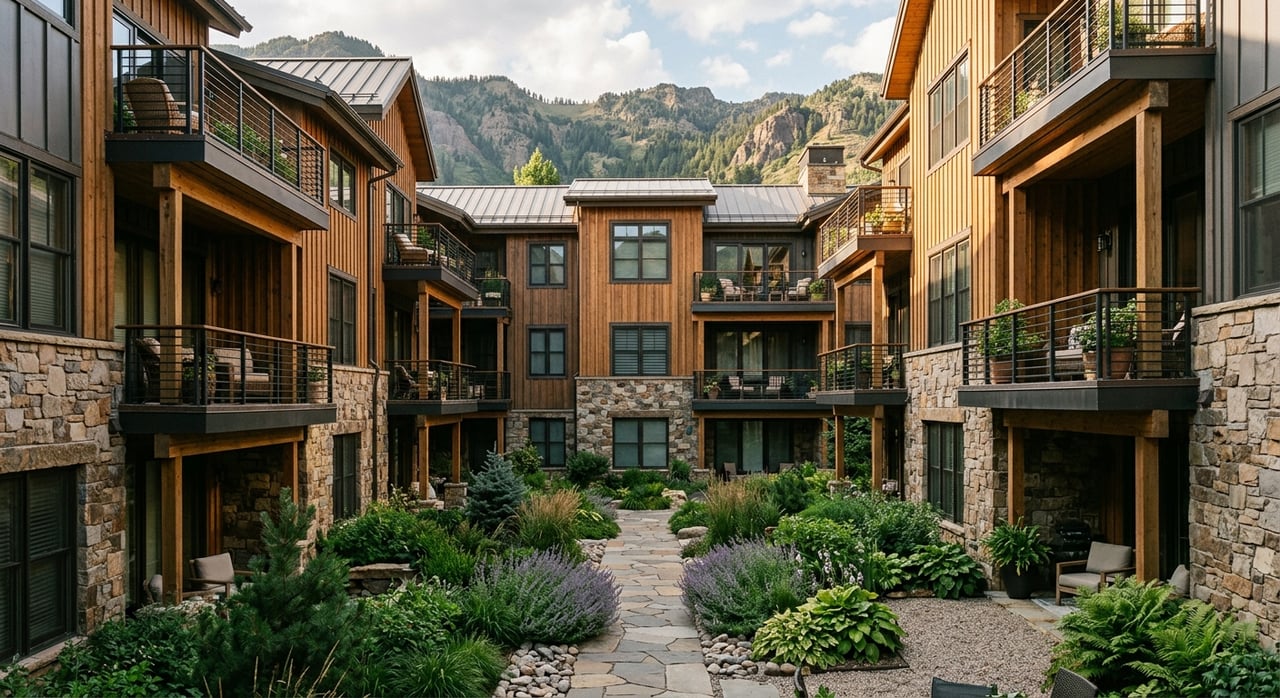
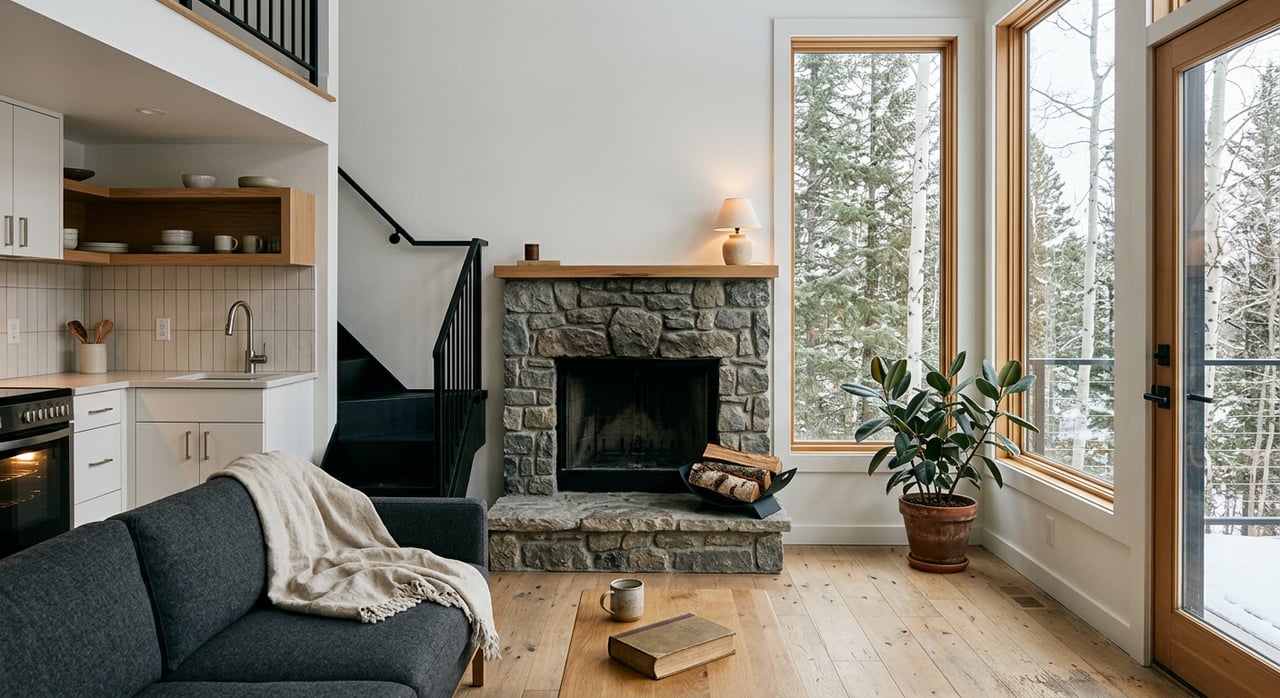
For many buyers, a condo is the simplest way to own in Telluride. It can be a practical option if you want less exterior maintenance and a more lock-and-leave setup.
Still, do not assume all condos offer the same rental options. In Telluride, a condo in a Residential Zone can face the same short-term rental cap as other residential properties. The zone district matters more than the word "condo" in the listing.
Townhomes
Townhomes often fall in the middle. They may offer more space or a more house-like layout than a condo, while still sharing some maintenance responsibilities through an HOA.
With townhomes, the documents matter as much as the design. You will want to verify what the HOA covers, how parking is assigned, whether guest parking exists, whether reserves are healthy, and whether there are any special assessments or rental-use limits.
Historic District Questions To Ask Early
If you are looking in Telluride’s historic areas, make preservation and design review part of your due diligence early in the process. This is especially important if you are drawn to older homes because of their character but also hope to make changes.
Ask clear questions such as:
- Is the property in the historic district?
- What exterior changes may require review?
- Are there past approvals or open issues tied to the property?
- Will future additions, remodels, or site changes face design review?
These questions can save you time and prevent surprises later. In a place like Telluride, the charm of an older property and the rules that protect it often go hand in hand.
Rental Potential Changes the Math
If rental income is part of your plan, treat that as a legal and zoning question before you treat it as a spreadsheet question. In Telluride, short-term rental use requires a license before advertising or renting, and the license number must appear in rental ads.
Town guidance also says short-term rental licenses do not transfer to a new owner. That means you should not assume a seller’s current rental setup will carry over after closing. A property that has been rented in the past still needs fresh review for your ownership and intended use.
Telluride’s current guidance says non-hotel short-term rentals pay a combined 17.22% tax monthly, and the town self-collects local taxes. If your decision depends on rental income, make sure you understand both the allowed use and the carrying costs.
Some Properties Function More Like Lodging
Not every unit that looks like a condo works like a typical second home. Telluride’s land use code allows condominium-hotels in certain zone districts, and those projects must use on-site lodging-style management and remain available to the public when owners are not occupying them.
That means a buyer should confirm whether a property is a standard residential condo, a condo-hotel, or another lodging-style setup. The ownership experience, rental management, and personal-use flexibility can be very different.
Parking and Daily Use Matter More Than You Think
Telluride has real parking constraints, especially near the core. The town shows paid parking in the business district from Aspen to Alder, with free two-hour parking on other streets where posted.
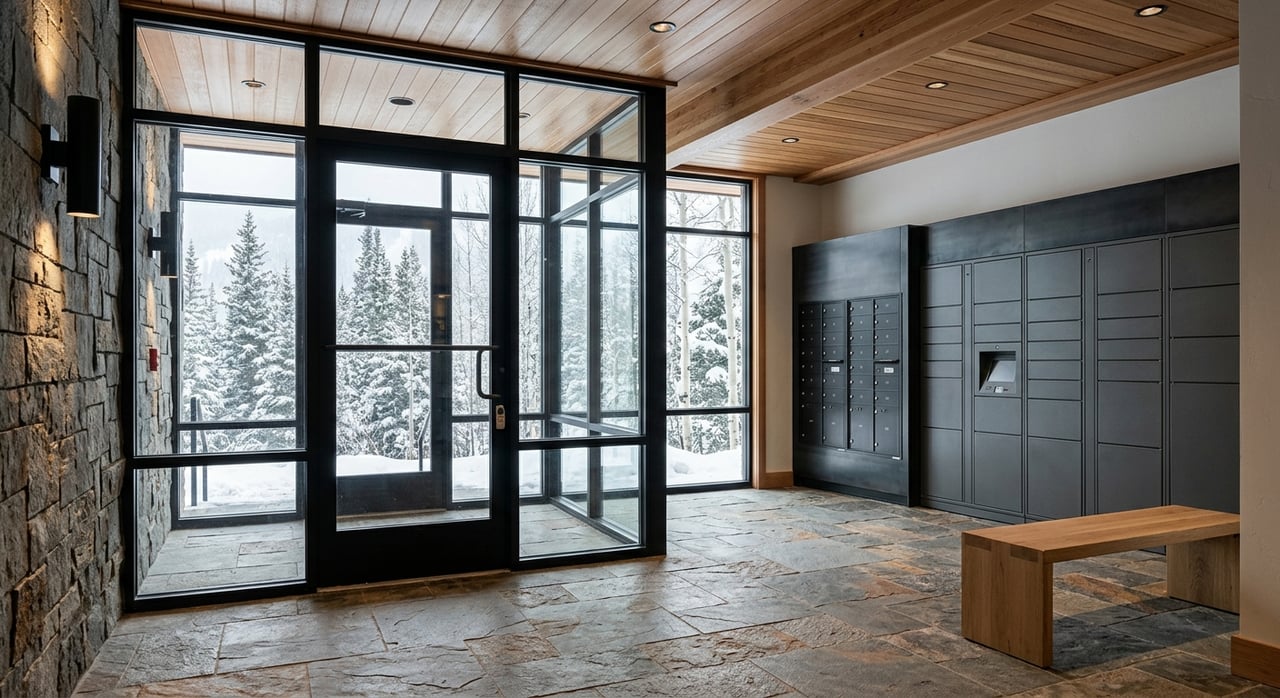
Because of that, parking should be one of your early questions, not an afterthought. Ask whether the property has assigned parking, covered parking, guest parking, storage for gear, and how easy day-to-day loading, unloading, and winter access will be.
A beautiful property can feel very different once you picture groceries, ski gear, visitors, and snowy mornings. In a mountain town, small access details can have a big impact on how convenient ownership feels.
Access Means More Than Distance on a Map
Many buyers want to be “close to the mountain,” but that phrase can mean different things in Telluride. The free gondola links Telluride and Mountain Village from Oak Street to Gondola Plaza, with a San Sophia mid-station, and the ride takes about 12 minutes.
Ski access can also vary by building and area. Telluride Ski Resort identifies multiple access points, including the Village Express Lift, the Town Gondola, and access gates for specific terrain. So when you compare options, look beyond the map and ask how you will actually move through your day.
For some buyers, walkability to town is the priority. For others, quick gondola access, easier trail access, or a quieter setting may matter more.
What To Know About Mountain Village Options
Mountain Village is not just another part of the same market. It operates under its own town rules and licensing system, so buyers should verify details separately rather than assume they mirror Telluride.
The town requires a business license for anyone advertising a home for short-term accommodations and a separate license for each rental unit. Mountain Village also maintains deed-restricted housing programs, so it is important to confirm whether a listing is free-market or workforce-restricted before assuming it can be used like a second home or vacation property.
If you are comparing Telluride and Mountain Village, do not stop at price per square foot. Compare use rules, licensing, access, parking, and whether the property fits your long-term plans.
A Practical Telluride Buyer Checklist
When you narrow down a property, keep your due diligence simple and organized. In Telluride, these questions can help you avoid common missteps.
Ask These Questions First
- What is the zone district?
- What rental license category applies?
- Are there annual rental caps?
- Does the property have assigned and guest parking?
- What do HOA dues cover?
- Are there reserves or special assessments?
- Is the property in a historic or preservation-sensitive area?
- If in Mountain Village, is it free-market or deed-restricted?
Then Weigh Lifestyle Fit
- Do you want more privacy or easier lock-and-leave ownership?
- How much do you value walkability to town?
- How important is gondola access?
- Do you need simple guest logistics?
- Are you planning future renovations or additions?
This two-part approach can help you compare options more clearly. First confirm what the property allows, then decide whether it supports the life you want to live there.
How To Choose With Confidence
The best Telluride property is not always the biggest home or the most polished condo. It is the one that fits your goals, your tolerance for maintenance, your need for access, and the local rules that apply to that address.
That is especially true in a market where preservation review, zoning, rental limits, and parking can all shape the ownership experience. If you understand those factors early, you can make a smarter choice and spend less time chasing listings that do not truly fit.
If you want a grounded second opinion as you compare homes, condos, or townhomes in the Telluride area, Peggy Lindsey offers practical mountain-market guidance with clear communication every step of the way.
FAQs
What matters most when choosing a Telluride home or condo?
- In Telluride, zoning, rental rules, parking, access, and possible historic-review requirements can matter just as much as the property type.
Can a Telluride condo be used as a short-term rental?
- Possibly, but it depends on the zone district and license rules, not just the fact that the property is a condo.
Are short-term rentals limited in Telluride residential zones?
- Yes. Town guidance says short-term rentals in Residential Zones are limited to 29 nights per year and no more than three separate rentals.
Do Telluride short-term rental licenses transfer to a new owner?
- No. Town guidance says a short-term rental license does not transfer when ownership changes.
Why should Telluride buyers ask about parking early?
- Telluride has paid parking in the business district and posted time limits on some other streets, so assigned parking and guest parking can affect daily convenience.
What should buyers check before buying in Mountain Village?
- Buyers should confirm local licensing rules and verify whether the property is free-market or part of a deed-restricted housing program.