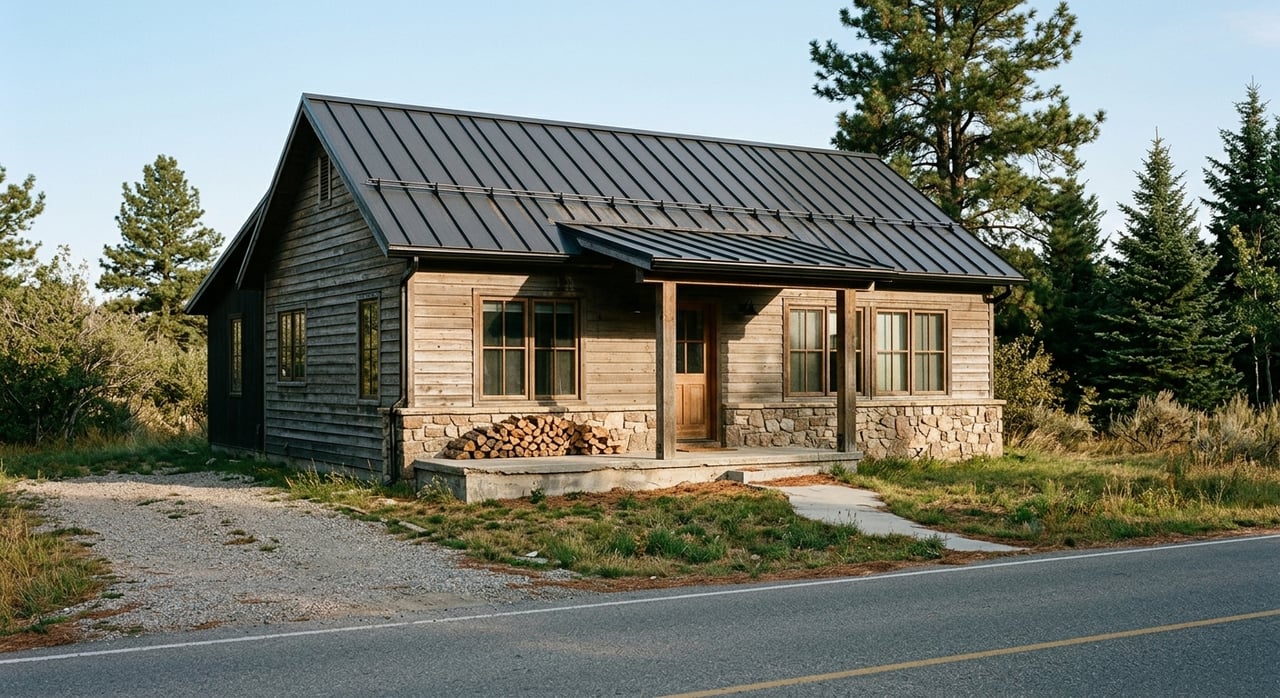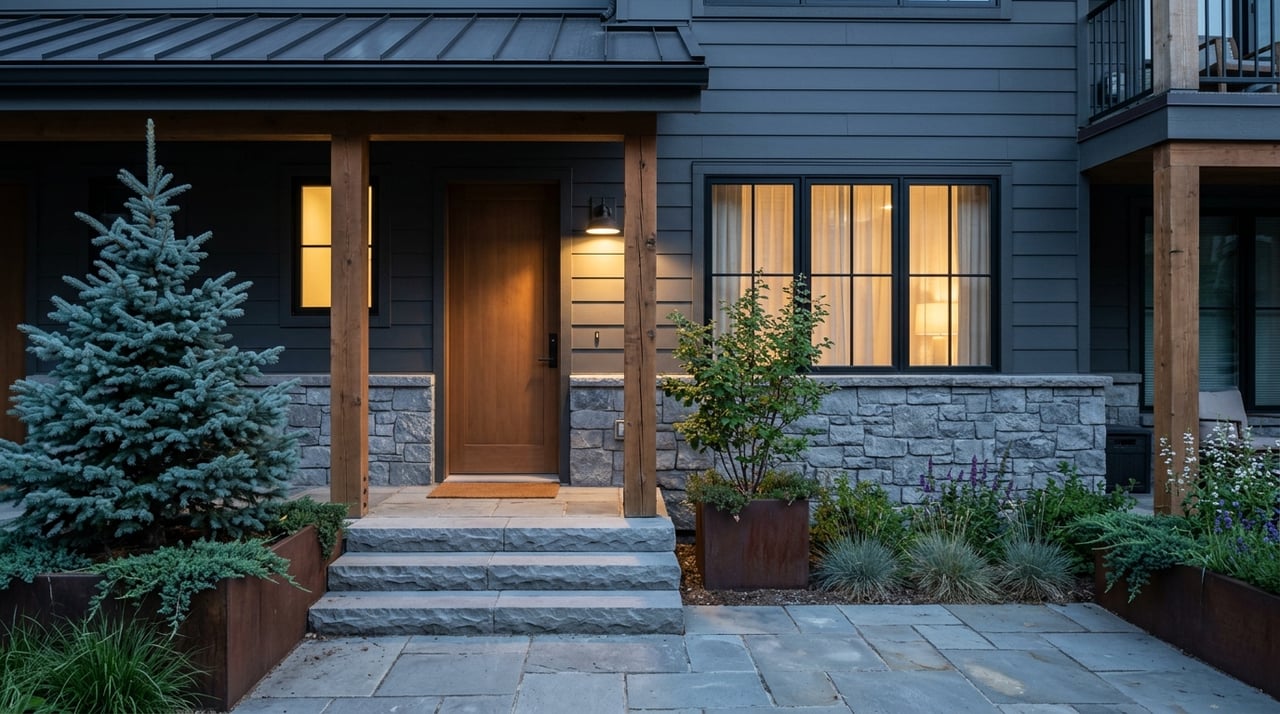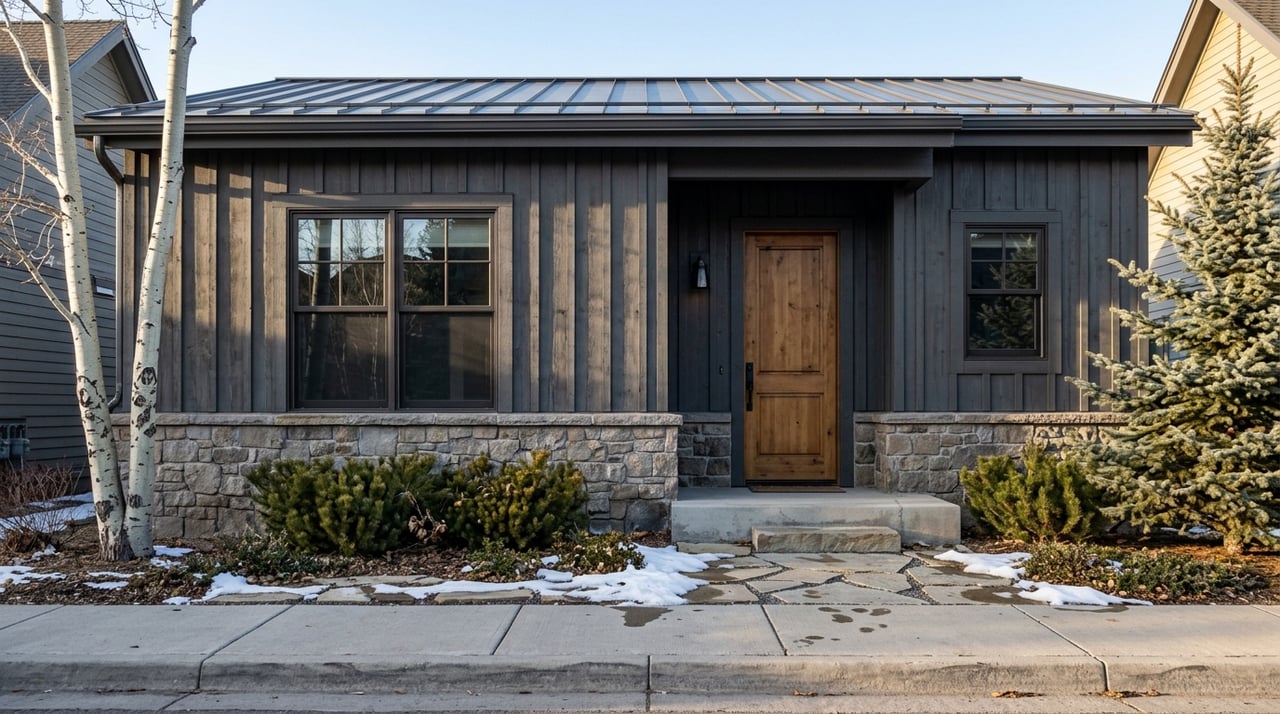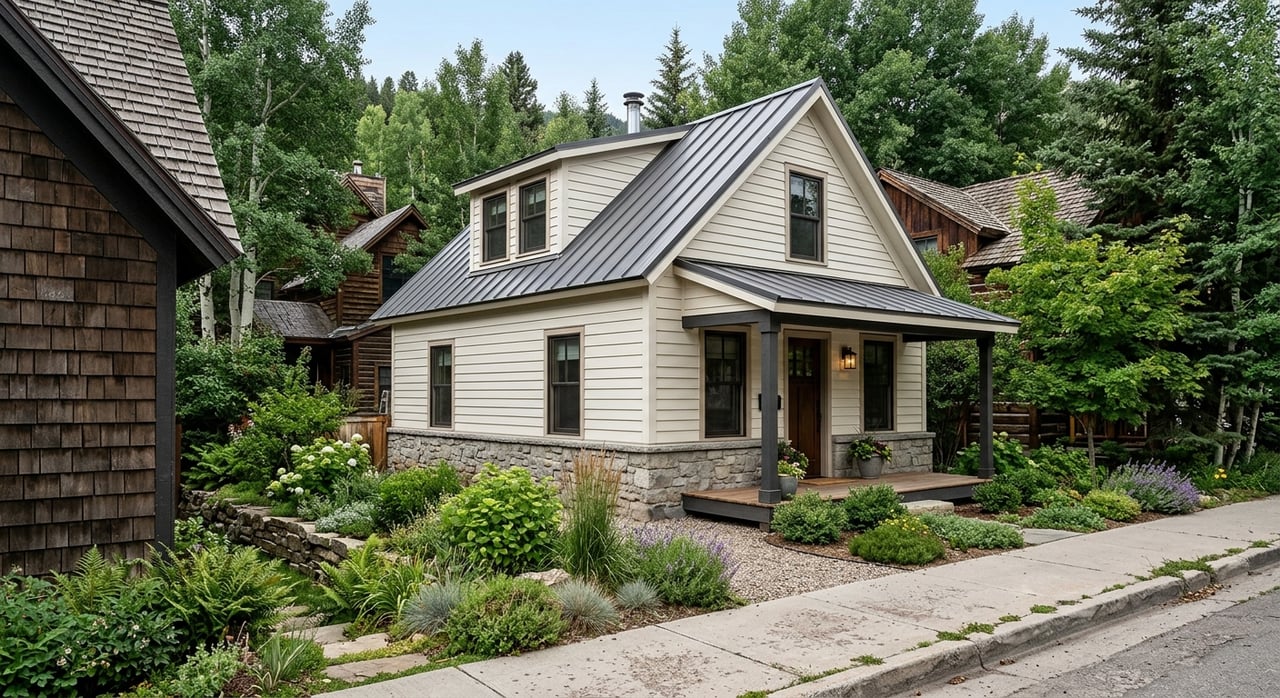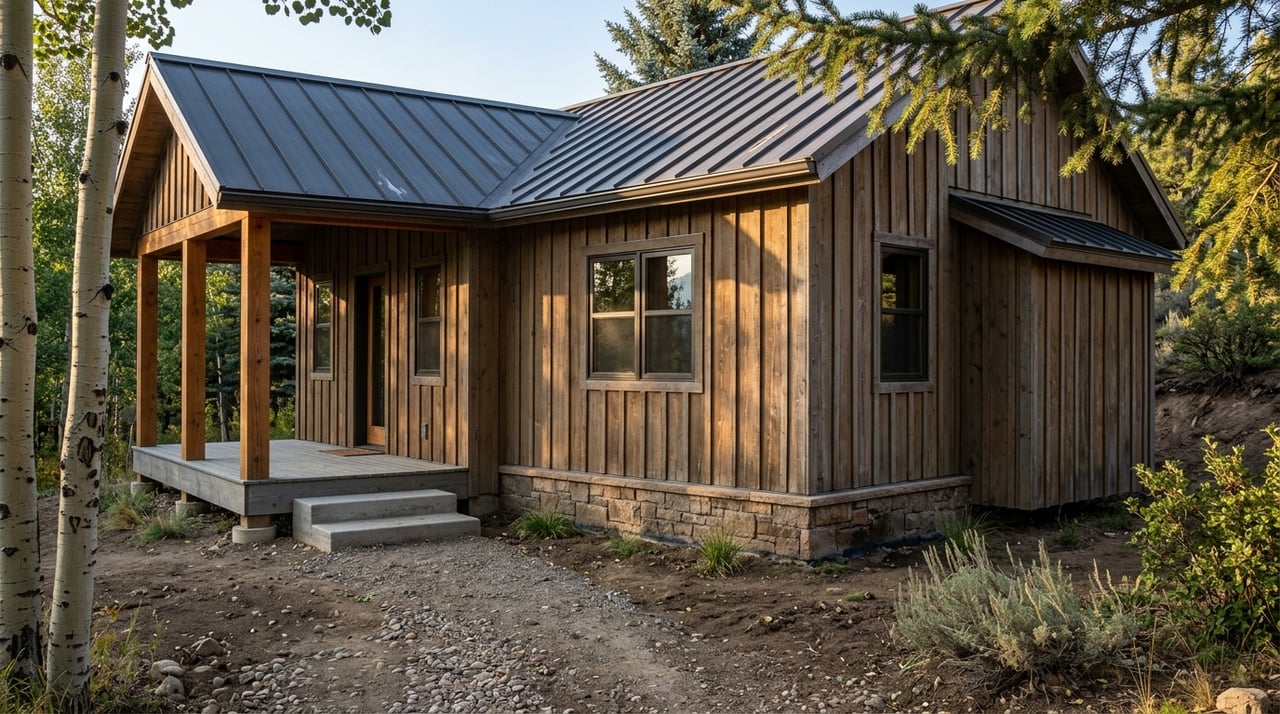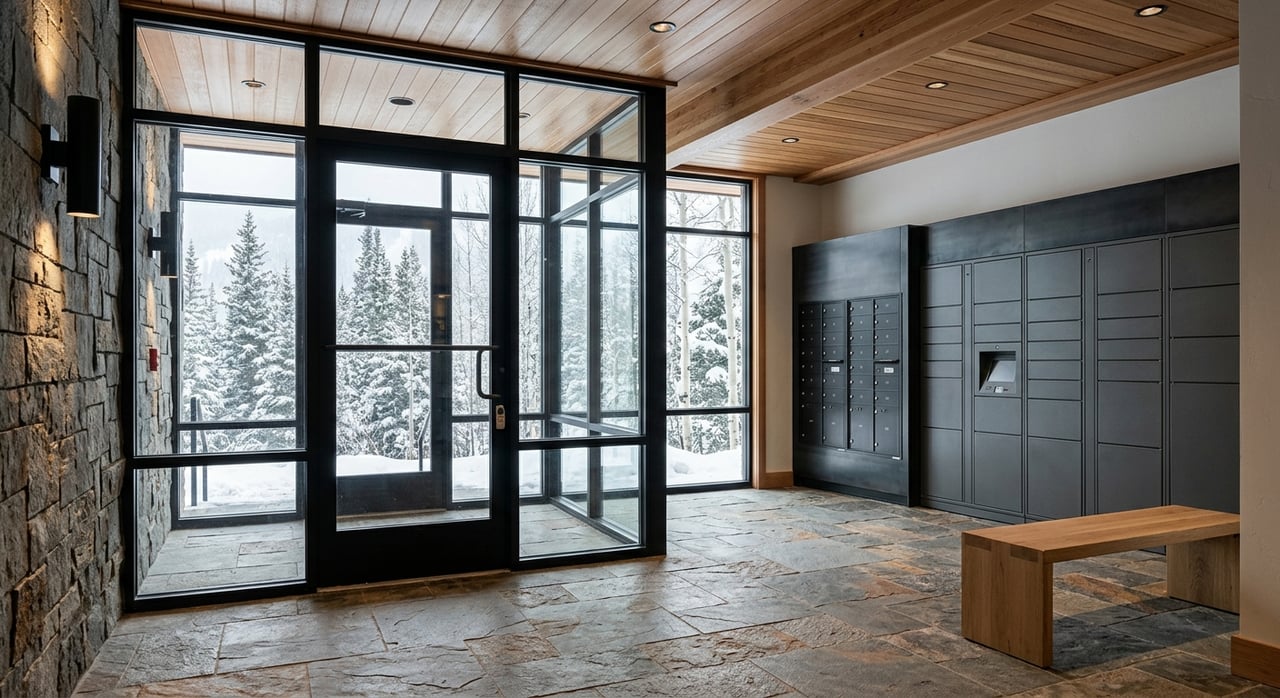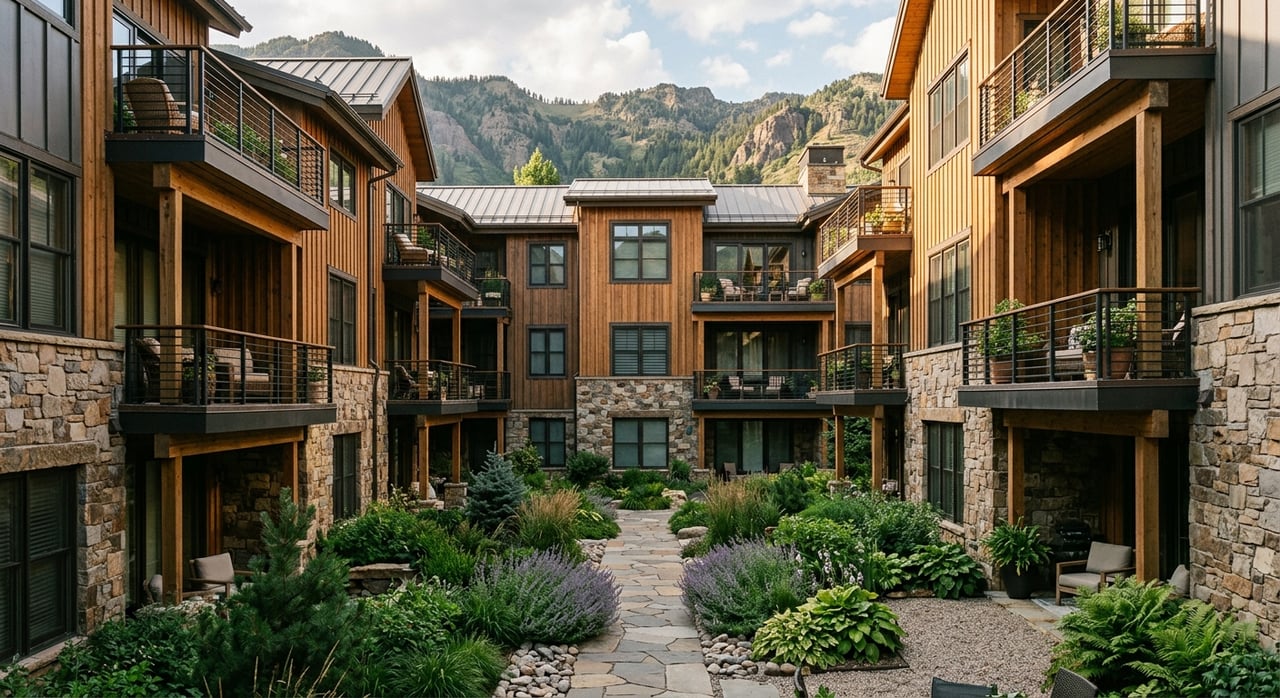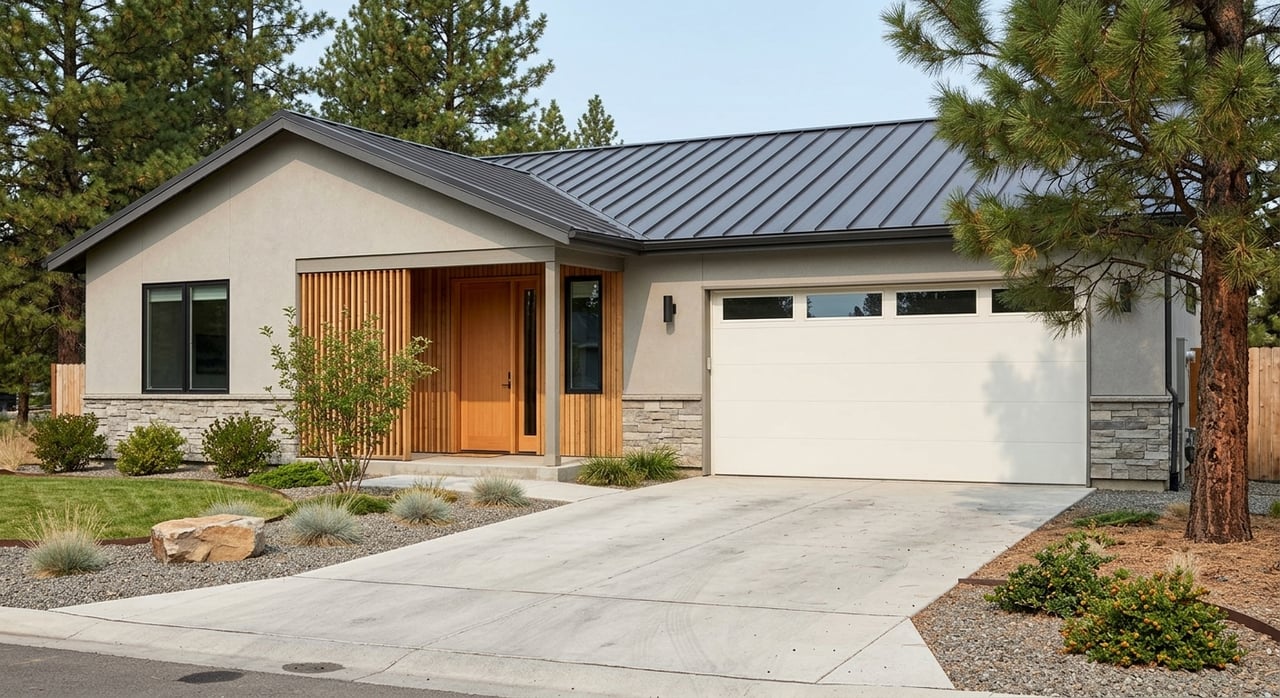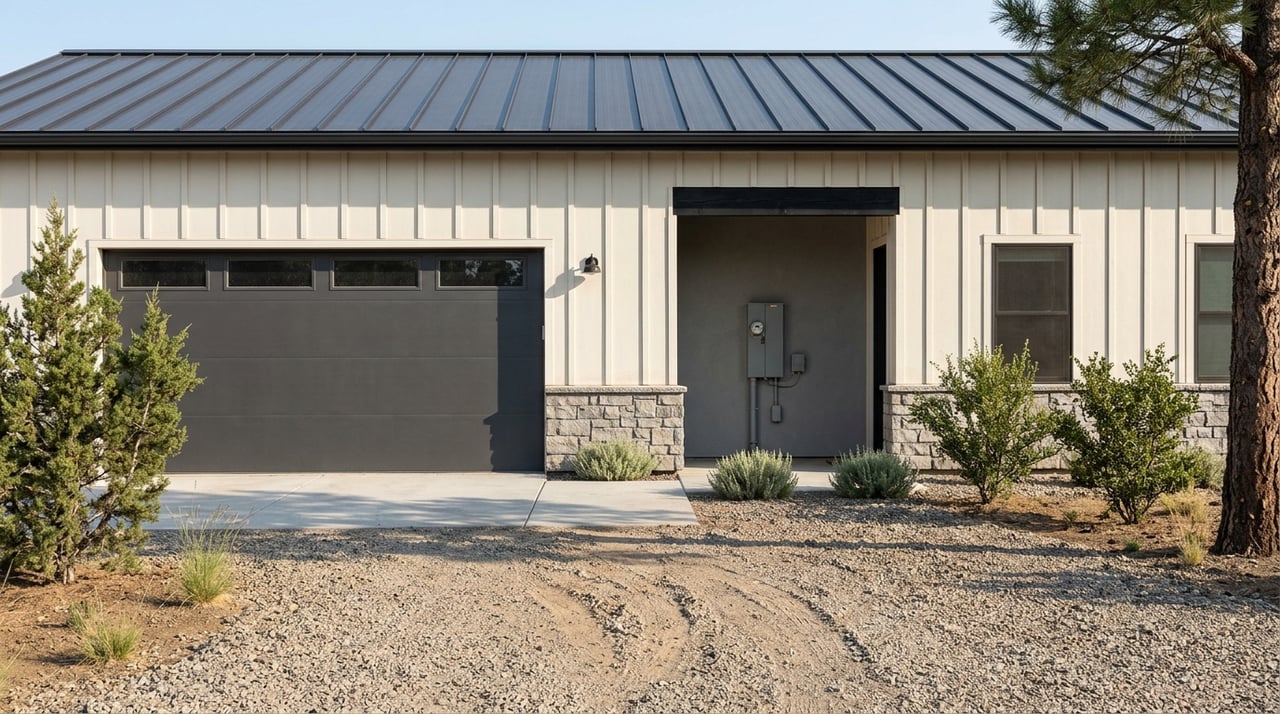
If you are trying to decide between building or buying around Colona, the answer usually comes down to more than price. In this part of Ouray County, the real question is often whether you want a home with access, water, wastewater, and utility pieces already in place, or whether you are prepared to create that setup yourself. If you understand the local rules and site realities early, you can avoid expensive surprises and choose the path that truly fits your goals. Let’s dive in.
Why Colona Is Different
Around Colona, you are not comparing two simple options. You are weighing two very different processes in a rural setting where services can vary a lot from one parcel to the next. Ouray County notes that some land may not be buildable if it lacks legal access, water, or sanitation.
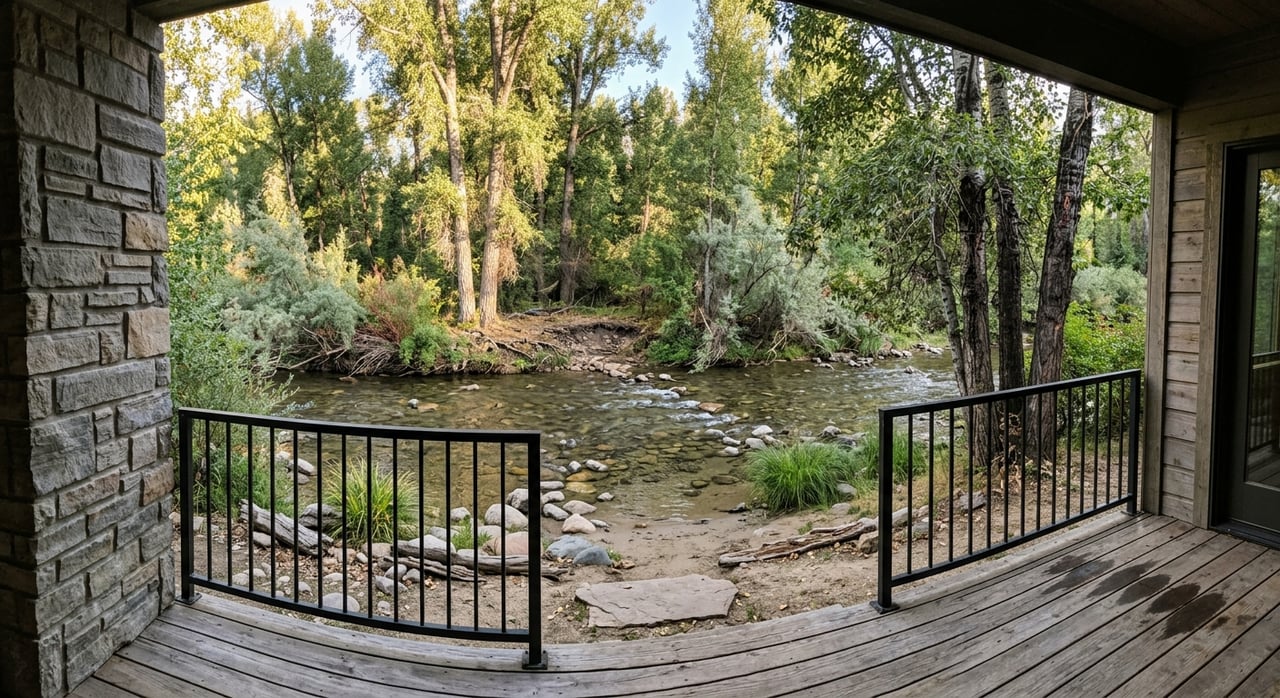
That local context matters. In unincorporated Ouray County, the county does not provide water, wastewater, curbside trash or recycling, or firefighting services. The county also warns that emergency response times, road maintenance, and winter access can be less predictable than in more urban areas.
Another key factor is that rules are not the same everywhere. Most county zoning is effectively one residence per 35 acres, but the Colona Zone is a separate district intended for higher-density residential development and commercial activity, with single-family dwellings allowed by right. That means your decision should always be tied to the specific parcel, not just the area name.
Buying an Existing Home Around Colona
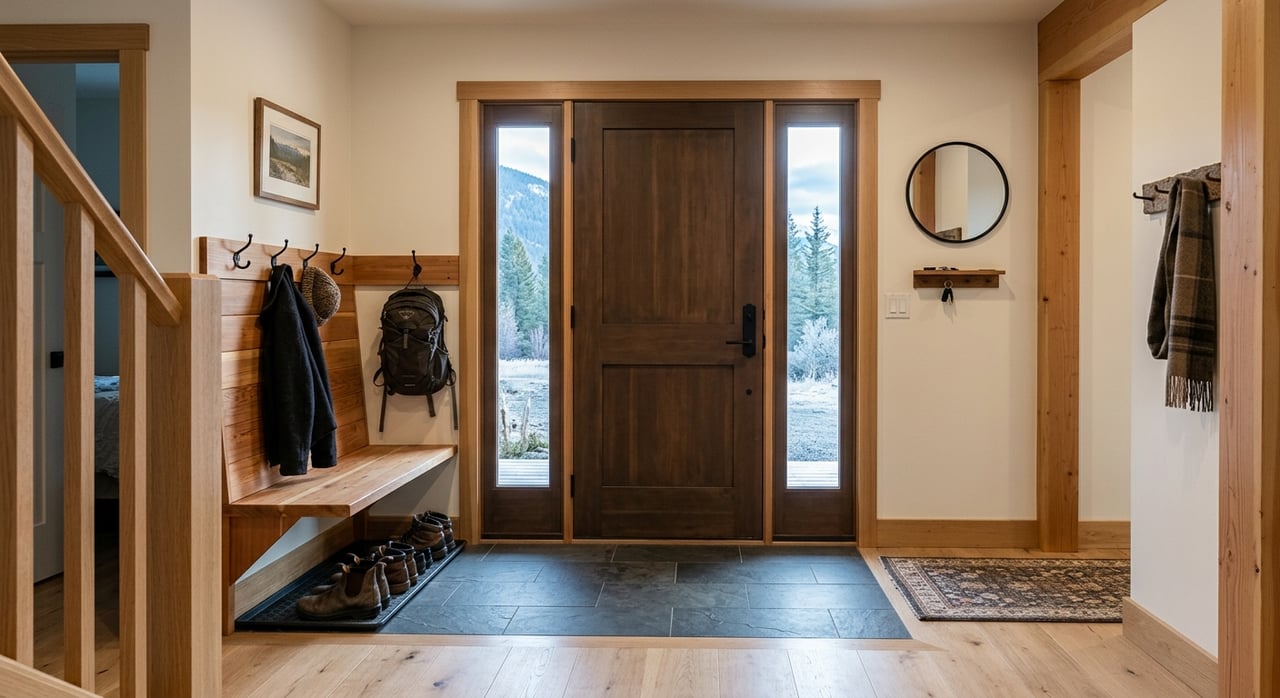
For many buyers, purchasing an existing home is the simpler path. In practical terms, you are often buying a property where the road, water source, wastewater system, and utilities are already established. That can reduce the number of unknowns compared with starting from raw land.
Still, simpler does not mean automatic. You should confirm how the property is accessed and who maintains that access. Ouray County says roads may be private, county-maintained, or public roads that are privately maintained, and some properties may only be reachable in winter by snow cat, snowmobile, skis, or snowshoes.
You also want to verify the water source and wastewater system. Outside the limited municipal service areas in Ridgway and Ouray, homes in unincorporated parts of the county typically rely on a private well or water district connection, along with an on-site wastewater treatment system. Those details can affect both day-to-day living and future repair costs.
One practical advantage of buying is timing. In many cases, you may be able to close and move in without going through the county’s full building-permit sequence, well-permit review, inspection schedule, and certificate-of-occupancy process. If your goal is faster occupancy and fewer moving parts, an existing home often fits better.
Due Diligence Still Matters When Buying
Even if a home is already standing, rural due diligence still matters. You should ask for records related to wells, septic systems, additions, garages, sheds, and other improvements. It is also smart to confirm whether past work was properly permitted.
Ouray County’s buyer information also points to issues like visual impact rules, wildfire mitigation, and site conditions that can affect existing properties. In plain terms, you are not just buying the house. You are buying the access, the systems, and the parcel conditions that come with it.
A resale home can still need updates. Depending on the property, future expenses could include septic repairs, well work, access-road improvements, or upgrades related to wildfire resilience, radon mitigation, or energy efficiency. Buying can reduce complexity up front, but it does not remove the need for careful review.
Building on Land Around Colona
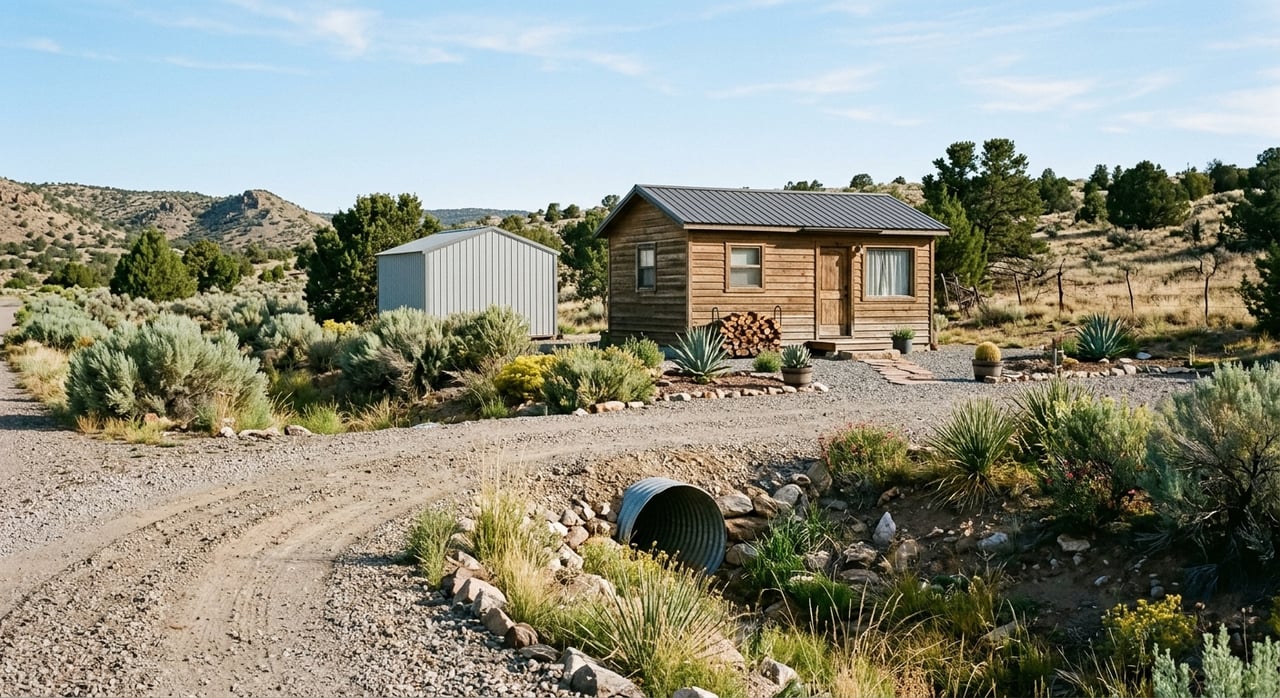
If you want a custom home, specific layout, or more control over how the property is used, building can be appealing. The tradeoff is that the real work usually starts with the land itself. Around Colona, whether a parcel can be built on depends heavily on legal lot status, zoning, access, water, wastewater, and county review requirements.
One of the first questions is whether the parcel is a legal lot. Ouray County says parcels under 35 acres may still be buildable if they were legally created, but buyers should check with the county planner before purchasing. The county’s building permit materials also require proof of legal creation for some parcels under 35 acres outside approved subdivisions.
From there, the approval stack can be significant. Depending on the property and project, the county lists permits and reviews such as building permits, septic permits, address or driveway permits, site development permits, wildfire review, and in some cases floodplain or manufactured-home approvals. The county requires these applications to be filed through CloudPermit.
Wildfire Rules Are a Major Part of Building
Wildfire planning should be part of the conversation from the start. Ouray County specifically lists a Colona wildfire review form for construction in Colona, which shows how important this review is in the area. If you are building here, wildfire compliance is not an afterthought.
The county’s wildfire regulations can include ignition-resistant roofing, vent screening, defensible-space planning, driveway design details, and a hardened five-foot zone around the home. If defensible space is required, the county says a refundable deposit equal to 1% of the estimated project valuation may be required until that work is completed.
These requirements can affect your budget, your design, and your timeline. They may also shape where the home can sit on the parcel and how the surrounding land is managed. That is one reason build costs around Colona are often tied to site conditions as much as the house itself.
Access, Water, and Septic Drive the Decision
For raw land, access is often one of the biggest issues. The county requires legal access for a building permit, and if no road exists, an easement or right-of-way may be needed. The county also notes that driveway and road standards can vary depending on how many lots or units the access route serves.
Water planning can also slow the process. The Colorado Division of Water Resources says a new well permit is required for new wells that divert groundwater, and complete applications may take up to 49 days to review. The county also notes that well permits can limit water use and may require augmentation for fire control in some situations.
Septic planning is just as important. In most unincorporated areas, the county says septic systems must be designed by a licensed professional engineer, percolation tests are required, and the completed septic permit must be on file before construction begins. The county also states that occupancy is not allowed until permit conditions are met and a Certificate of Occupancy is issued.
Building Timelines Can Stretch
A custom build gives you flexibility, but it usually requires more patience. Ouray County uses the 2018 IBC, IRC, and IECC, requires engineer-performed foundation inspections, and schedules inspections through CloudPermit. The county’s building guide also lists mountain-specific standards such as a 90 mph minimum wind speed, 36-inch mean frost depth, and passive radon mitigation rough-in for new construction.
Timing matters because permits are not open-ended. The county says building permits are valid for one year from issue, and if work does not start or continue during that period, the permit can lapse and fees can be forfeited. In a rural market with multiple approvals and scheduled inspections, coordination is a big part of a successful build.
Visual impact review can add another layer. The county says parcels within 1.5 miles of Highway 550 and portions of County Road 1 may be affected, and story poles may be required to evaluate the building envelope. That can shape both design choices and the project schedule.
Where the Budget Usually Goes
When you compare building versus buying, the money often shows up in different places. For new construction, county fees can include road impact, site-development, address or driveway, septic, and technology fees. Ouray County’s fee resolution set the road impact fee at $4,800 effective April 1, 2024, and the county notes that permit fee schedules should be treated as estimates until confirmed.
Beyond permit fees, a build may involve survey work, engineering, utility extensions, wildfire mitigation, well drilling or water taps, septic design, and the carrying cost of owning land before the home is complete. Those are not always obvious when buyers first look at vacant land pricing. In many cases, the lower land price is only one piece of the true cost.
By contrast, buying an existing home may avoid many of those up-front construction costs. But it can still come with hidden expenses if systems are aging or site conditions need attention. That is why the best comparison is not just build price versus purchase price. It is total cost, total timeline, and total uncertainty.
When Buying Often Makes More Sense
Buying is often the better fit if your priorities are speed, predictability, and fewer unknowns. If you want to be in the home sooner, or you would rather evaluate existing systems than create them from scratch, a resale property may be the more practical choice.
This can be especially true for out-of-town buyers or future relocation clients who want to learn the area before taking on a full custom project. A home with established infrastructure can make your transition easier while still giving you access to the mountain lifestyle that draws people to Colona and nearby communities.
When Building May Be Worth It
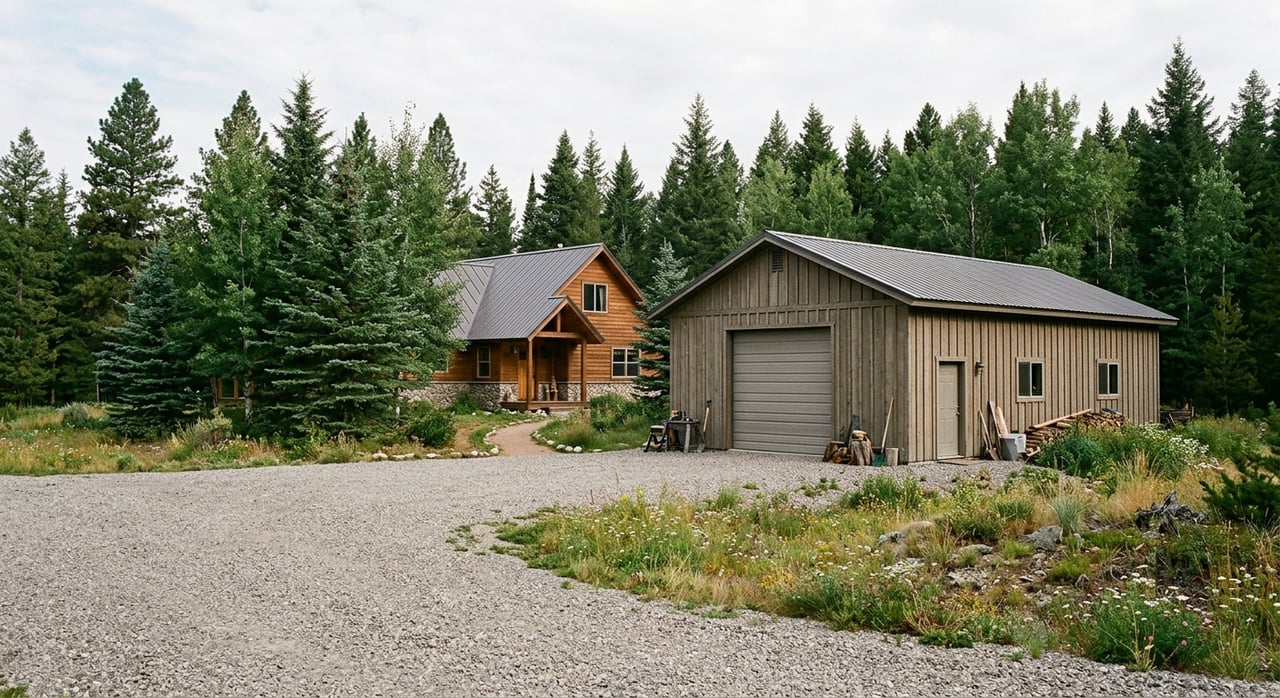
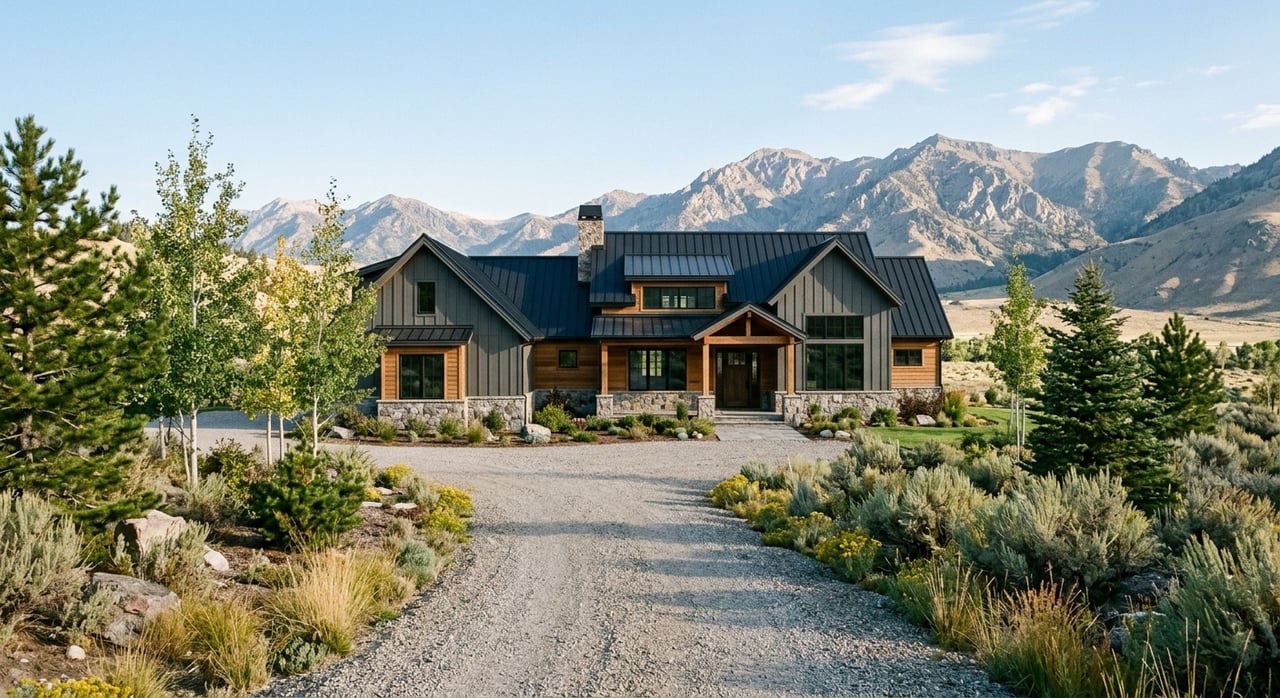
Building may be worth the extra effort if you want a very specific floor plan, a certain garage or shop setup, or a site plan tailored to views, privacy, or long-term use. If you are willing to take a parcel-by-parcel approach and plan carefully for permits, access, water, septic, and wildfire review, a custom build can give you more control.
The key is realism. Around Colona, a build is usually not just about construction. It is about understanding the land, the rules, and the infrastructure that make the home possible.
If you are weighing a resale property against vacant land around Colona, local context can make all the difference. A clear look at zoning, access, water, septic, wildfire requirements, and timeline can help you make a decision with confidence. If you want practical guidance from a local team that understands mountain property details, reach out to Peggy Lindsey.
FAQs
What makes building around Colona different from building in a city?
- Around Colona, the decision often depends on parcel-specific factors like legal access, water, septic, zoning, wildfire review, and rural road conditions, rather than just construction cost.
Is buying an existing home around Colona usually easier than building?
- Yes. In many cases, an existing home already has access, water, wastewater, and utilities in place, which can reduce the number of approvals and unknowns.
What should you verify before buying land around Colona?
- You should confirm legal lot status, zoning, legal access, water options, septic feasibility, wildfire review requirements, and whether visual impact rules may apply.
Do homes around Colona usually have public water and sewer?
- Not usually in unincorporated Ouray County. Outside the limited municipal service areas in Ridgway and Ouray, properties commonly rely on a private well or water district connection and an on-site wastewater treatment system.
Are wildfire rules important for new construction around Colona?
- Yes. Ouray County requires wildfire review for construction in Colona, and new builds may need features like ignition-resistant materials, vent screening, defensible space, and driveway design compliance.
How long can well permitting take for a new build near Colona?
- The Colorado Division of Water Resources says complete applications for new well permits may take up to 49 days to review.
What county fees should you expect when building around Colona?
- New construction may involve road impact, site-development, address or driveway, septic, and technology fees, along with project-specific costs that should be confirmed with the county.
How do you decide whether to build or buy around Colona?
- Buying is often better if you want faster occupancy and fewer unknowns, while building may be better if you want a custom layout and are prepared for more site evaluation, permitting, and timeline coordination.