If you are trying to choose between Ridgway and nearby mountain towns, you are not alone. Many buyers love this part of Southwest Colorado but need help figuring out which town best fits their budget, daily routine, and long-term plans. The good news is that each nearby community offers a distinct feel, and once you understand the differences, your decision gets much clearer. Let’s dive in.
Why Ridgway gets so much attention
Ridgway is the smallest town in this comparison by population, with 1,183 residents in 2020, but county materials describe it as the largest populated economic area in Ouray County. County sources also connect Ridgway’s growth to the Highway 62 and 550 junction, new subdivisions, and housing for professionals working in the Telluride area. That combination helps explain why so many mountain home buyers start their search here.
For many buyers, Ridgway feels like a middle ground. You get a small-town setting, mountain access, and room to spread out, while still being positioned for travel toward Ouray, Montrose, and the Telluride corridor. If you want flexibility without stepping fully into a resort-style market, Ridgway often stands out.
Ridgway housing style and feel
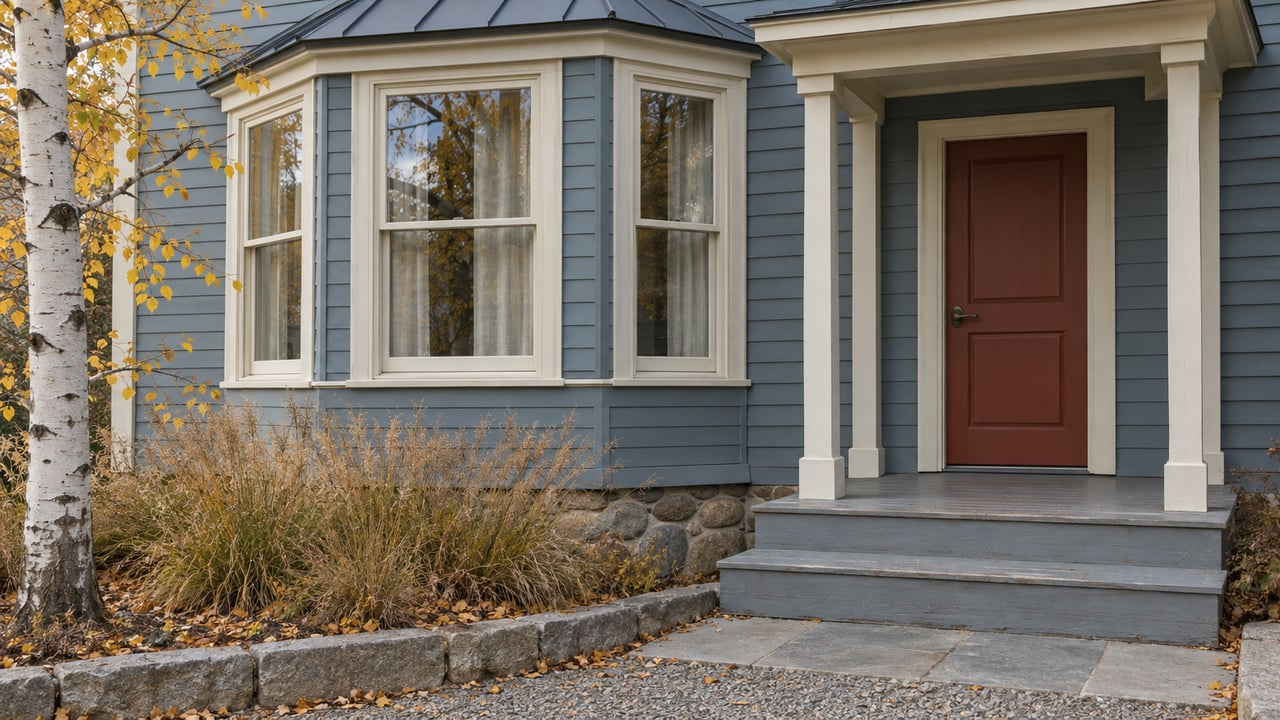
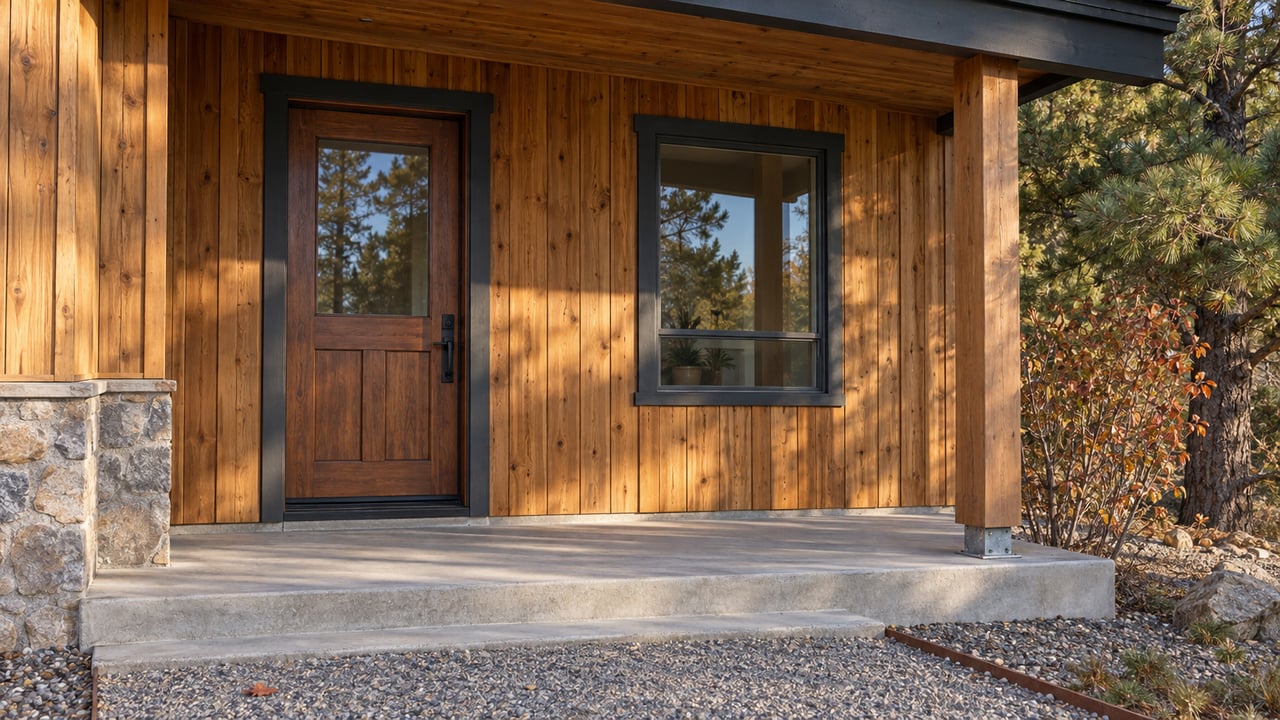
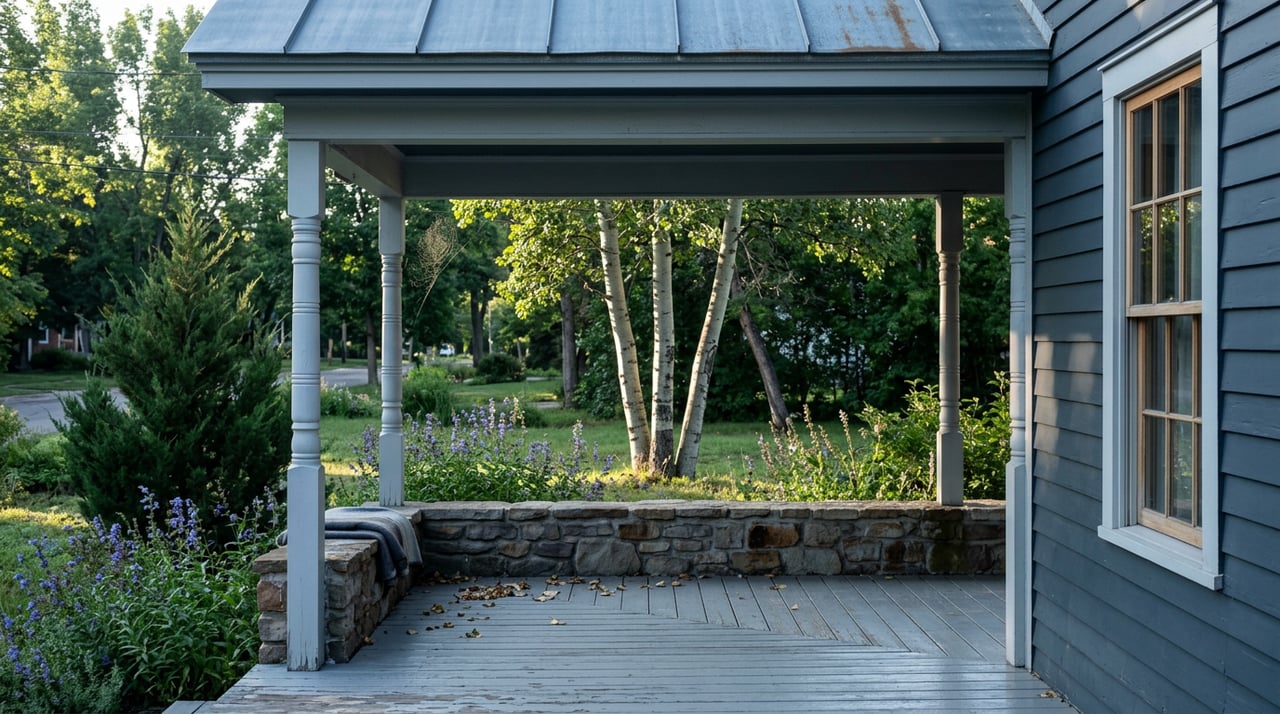
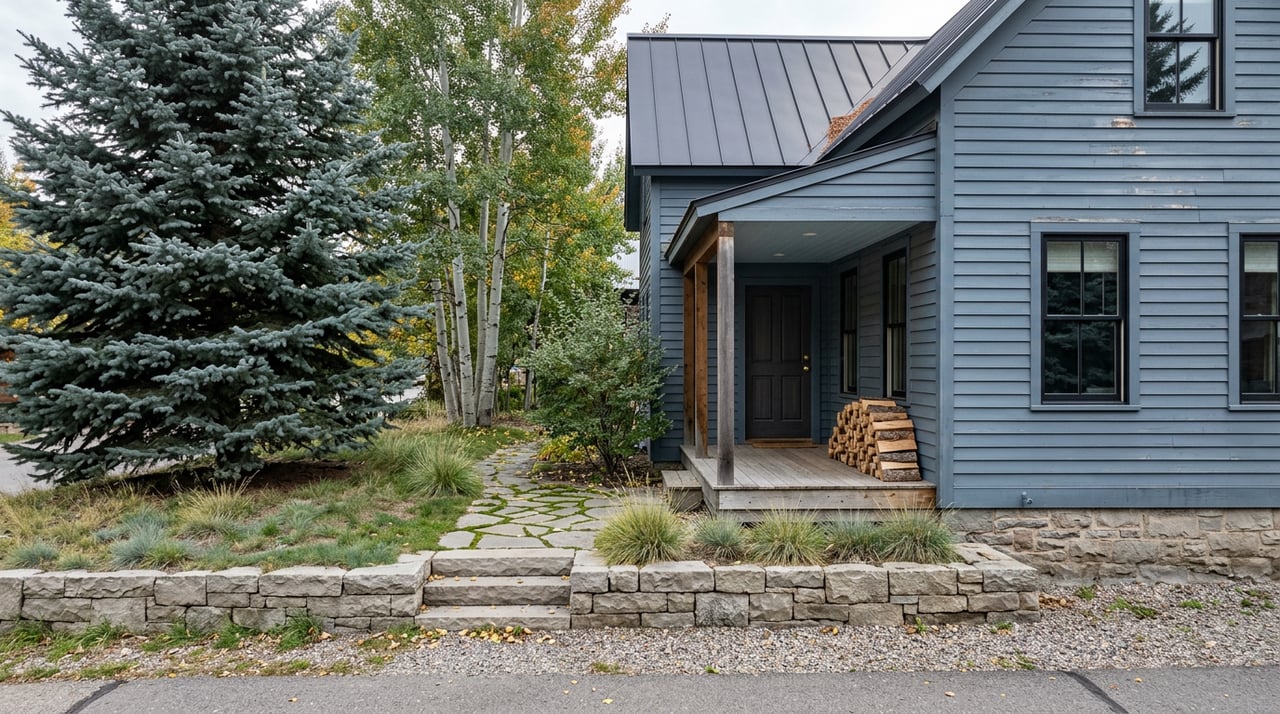
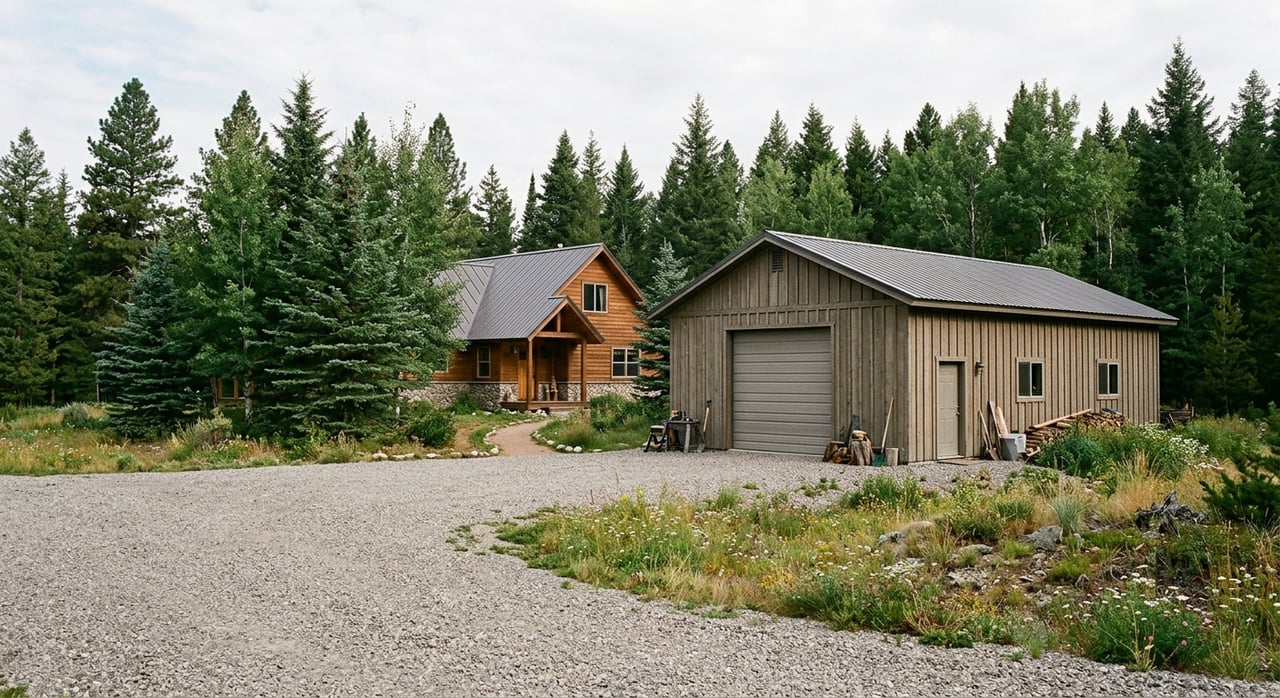
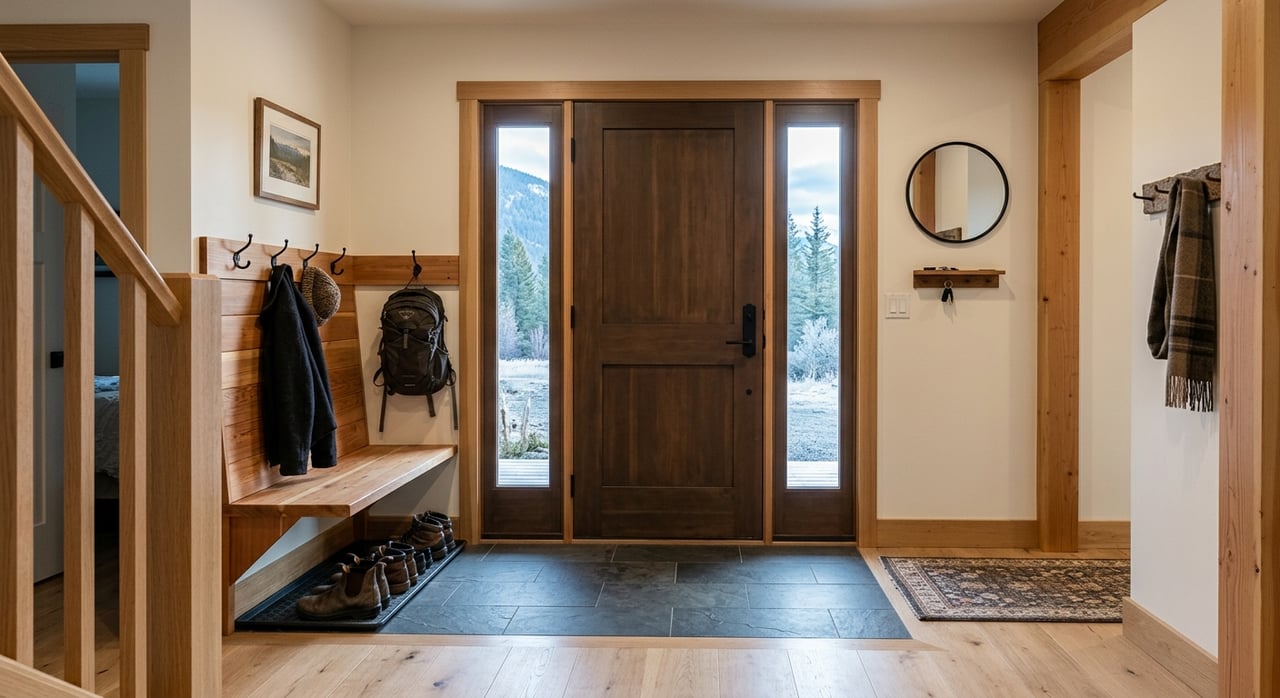
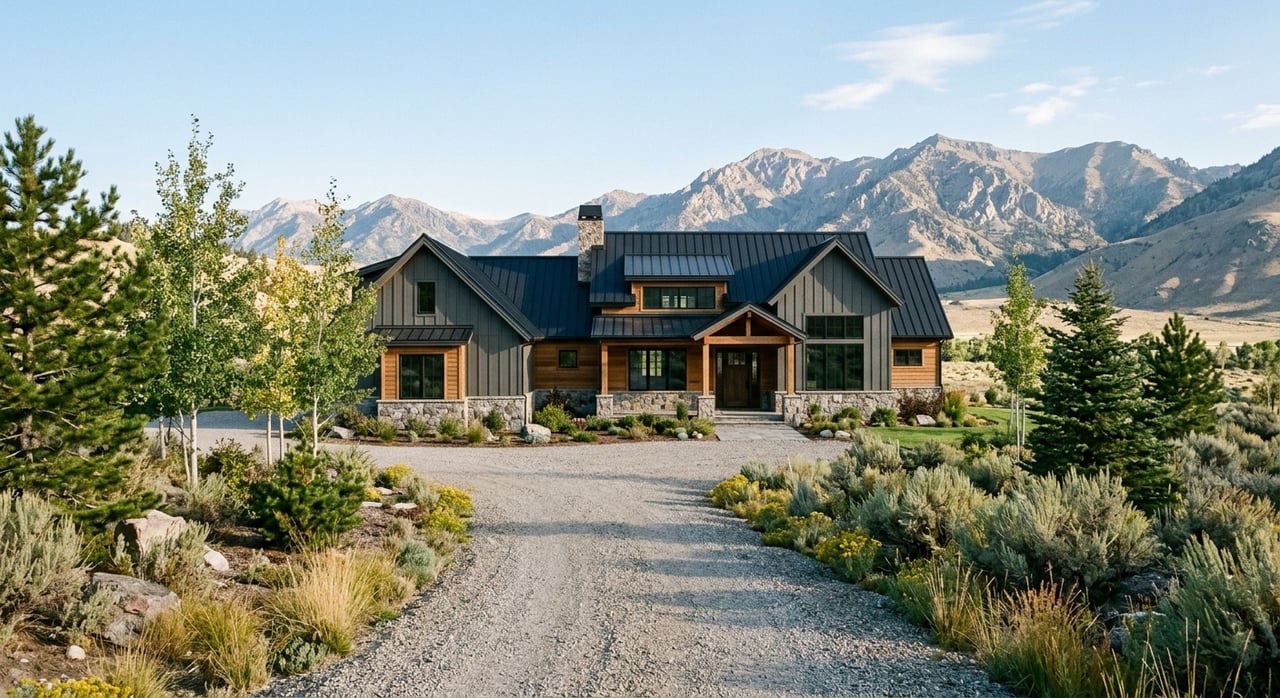
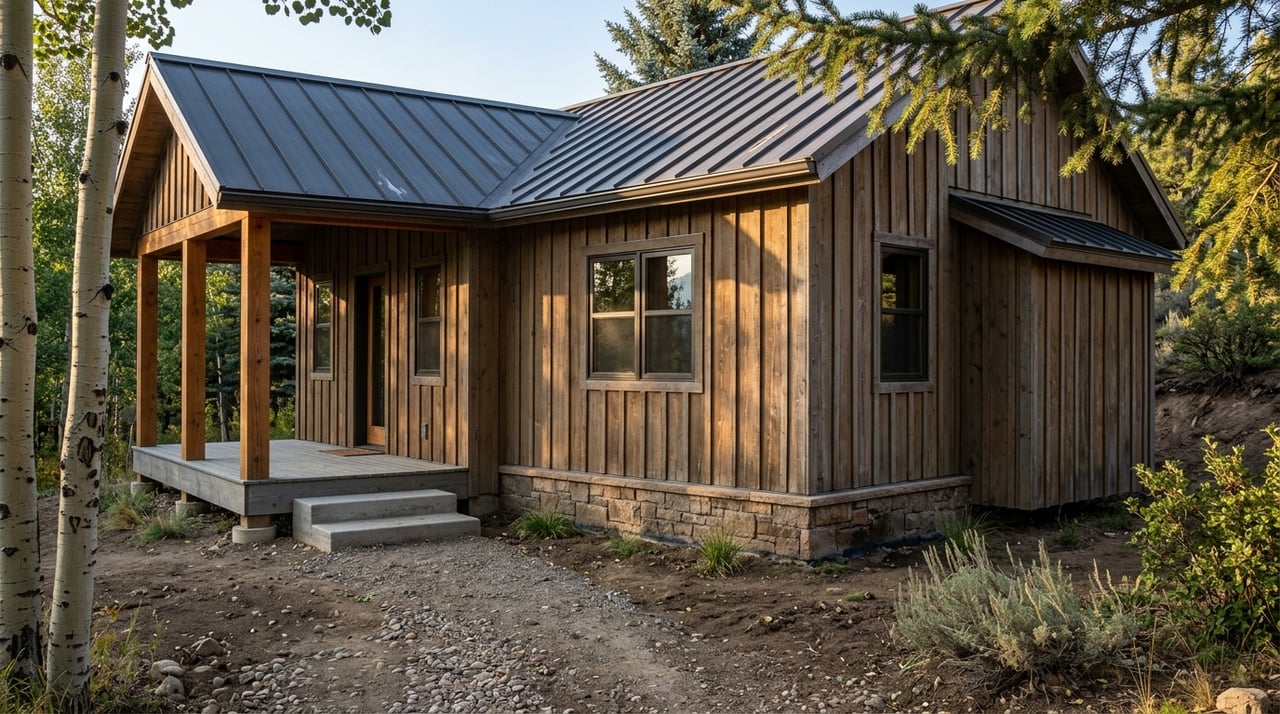
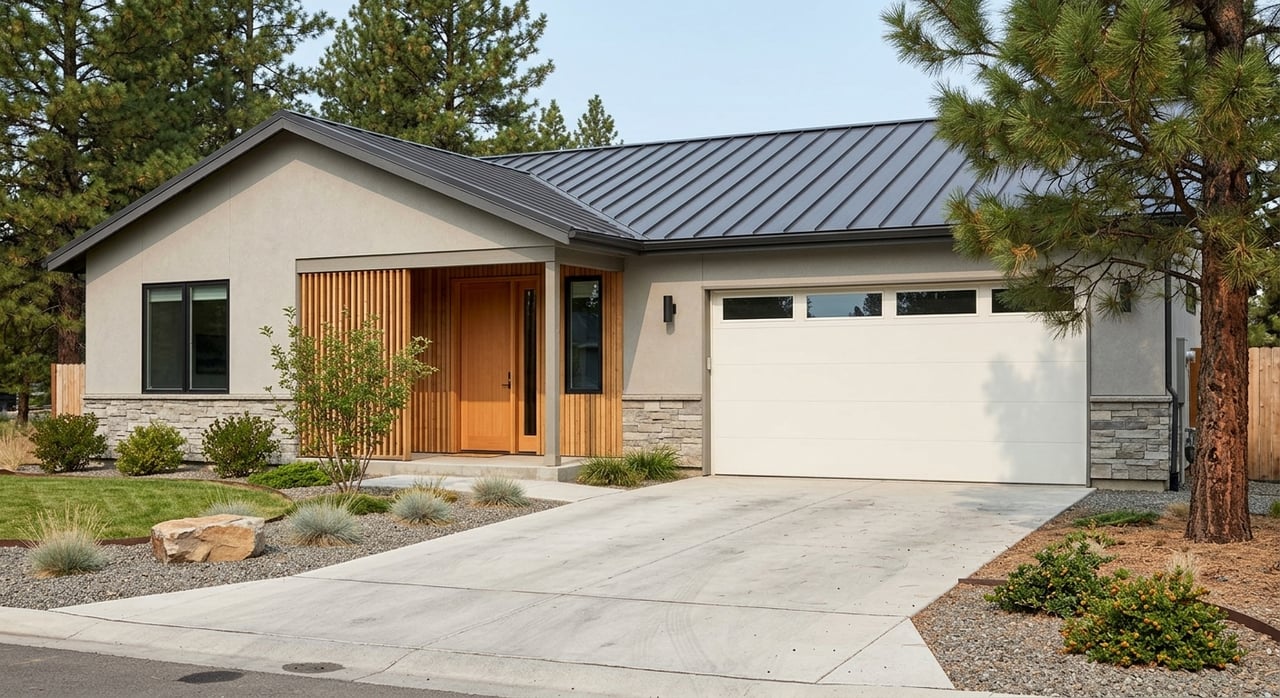
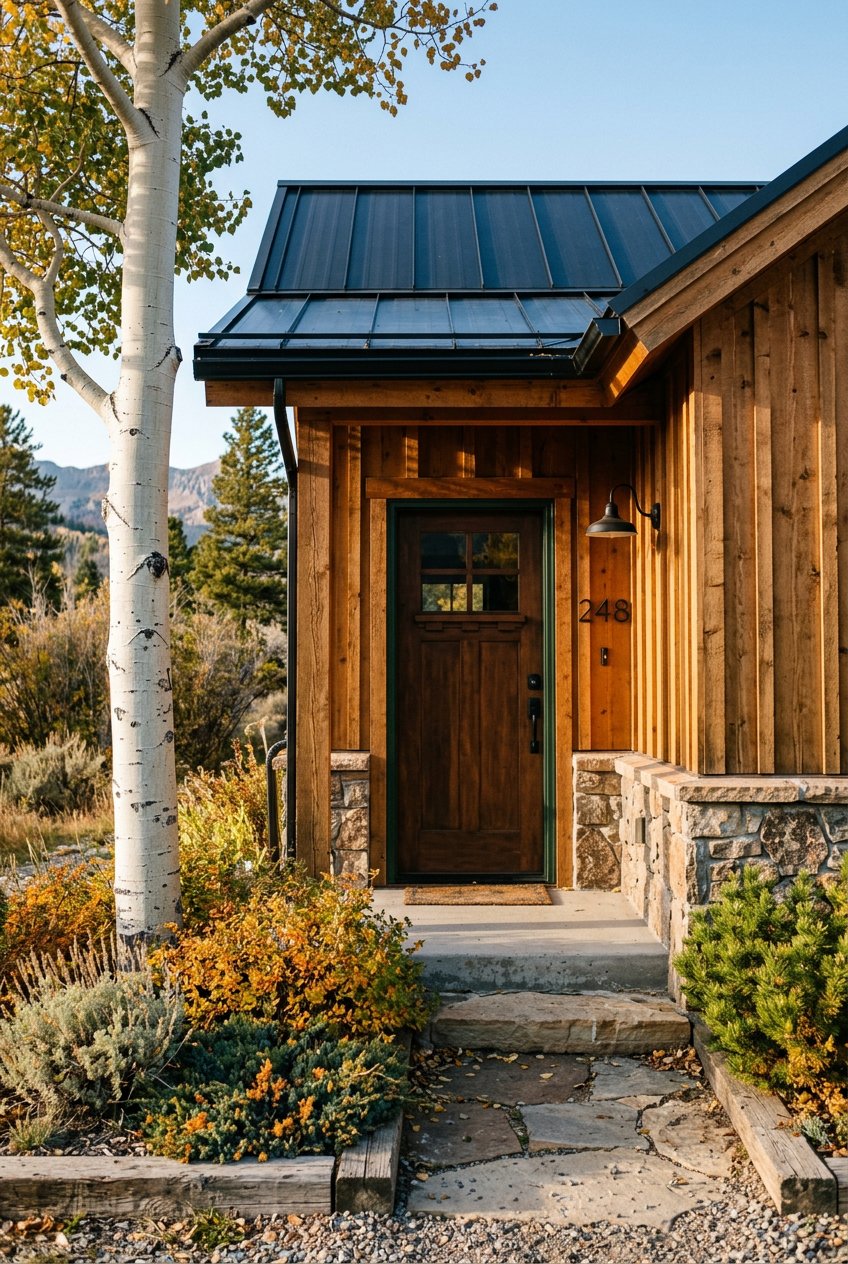
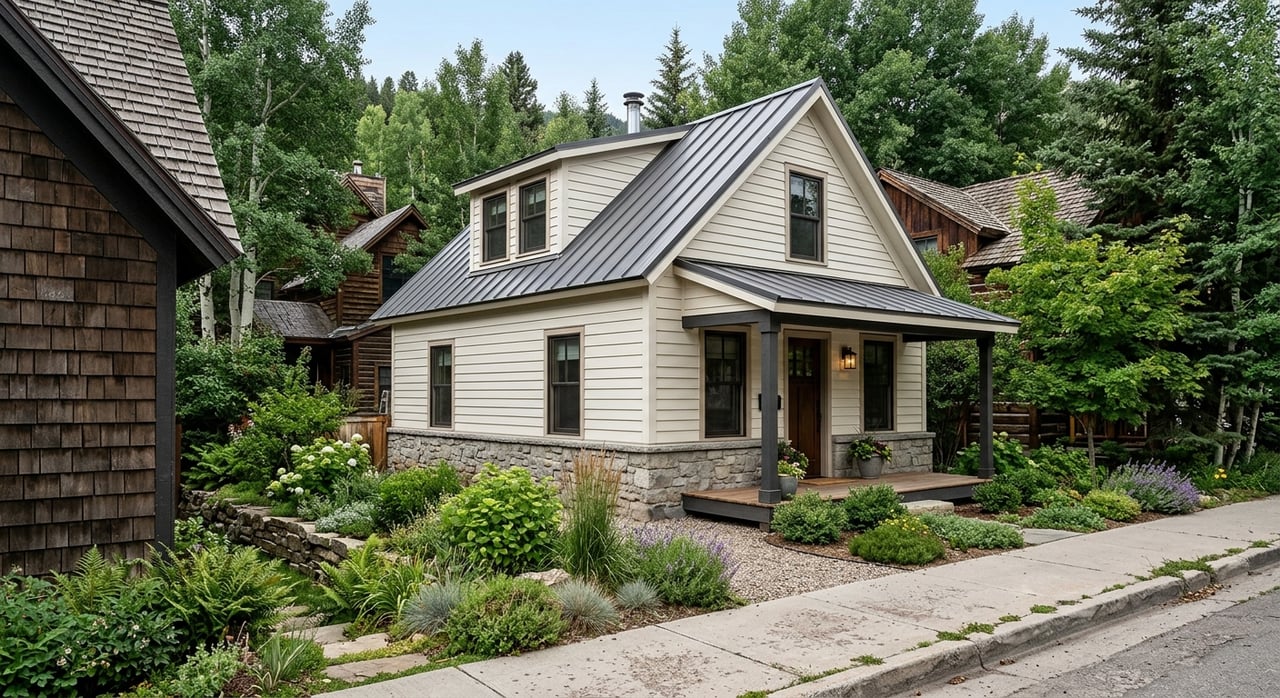
County materials describe Ridgway as a town of new subdivisions surrounded by farm and ranch land. Lots are often larger, and newer construction is generally high quality and custom in style. There is also a small but growing commercial area, which adds convenience without changing the town’s overall low-key character.
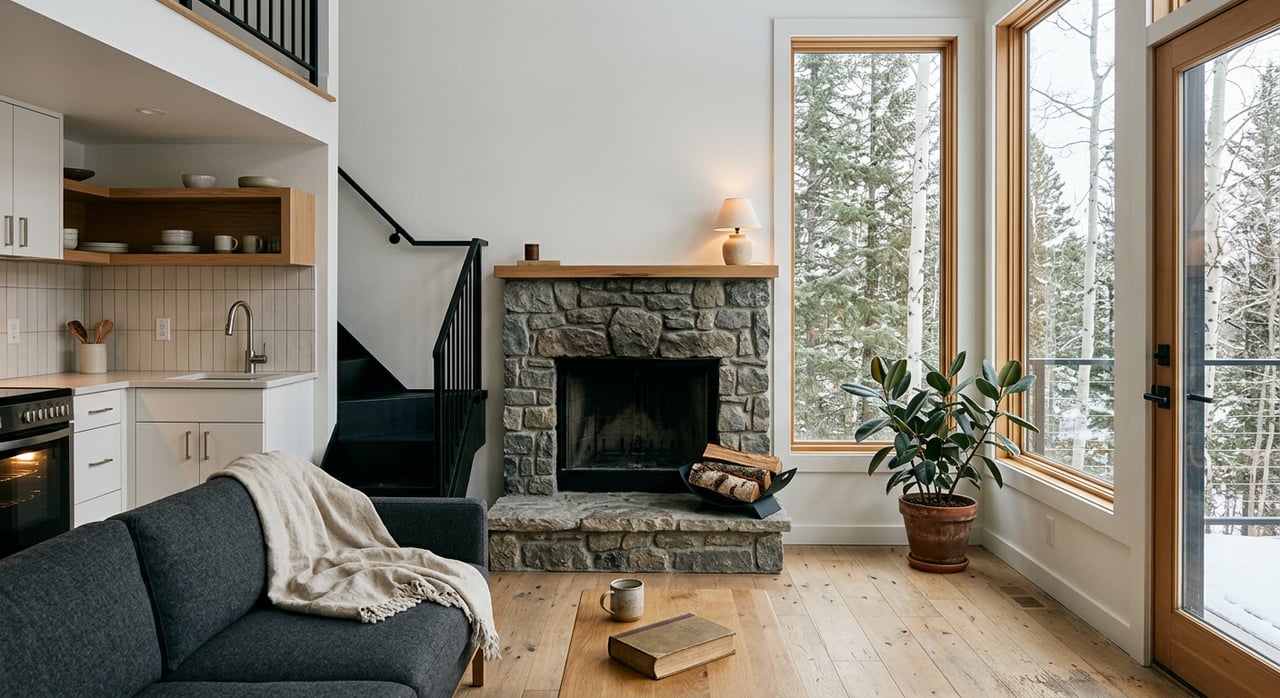
That housing mix matters if you are looking for a newer mountain home, a bit more elbow room, or a property that feels less compact than older in-town neighborhoods. Ridgway may appeal to you if you want modern construction and a setting that blends residential growth with open land around it.
How Ouray compares to Ridgway
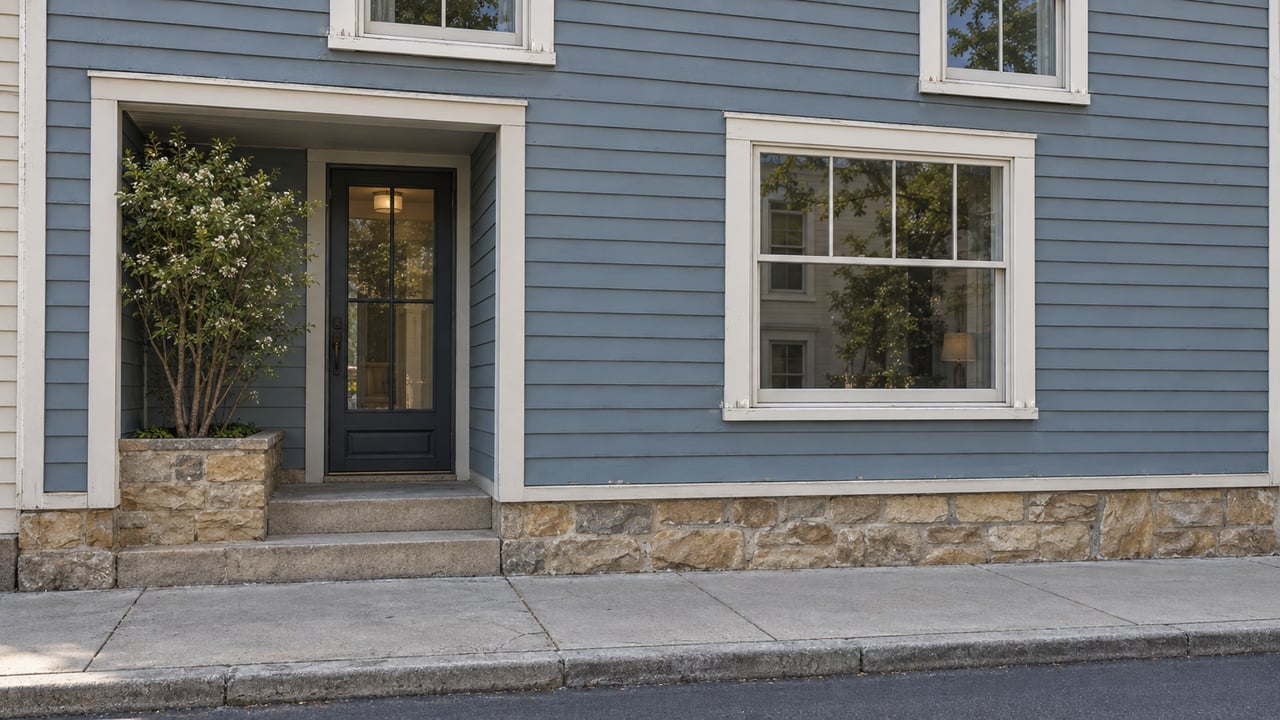
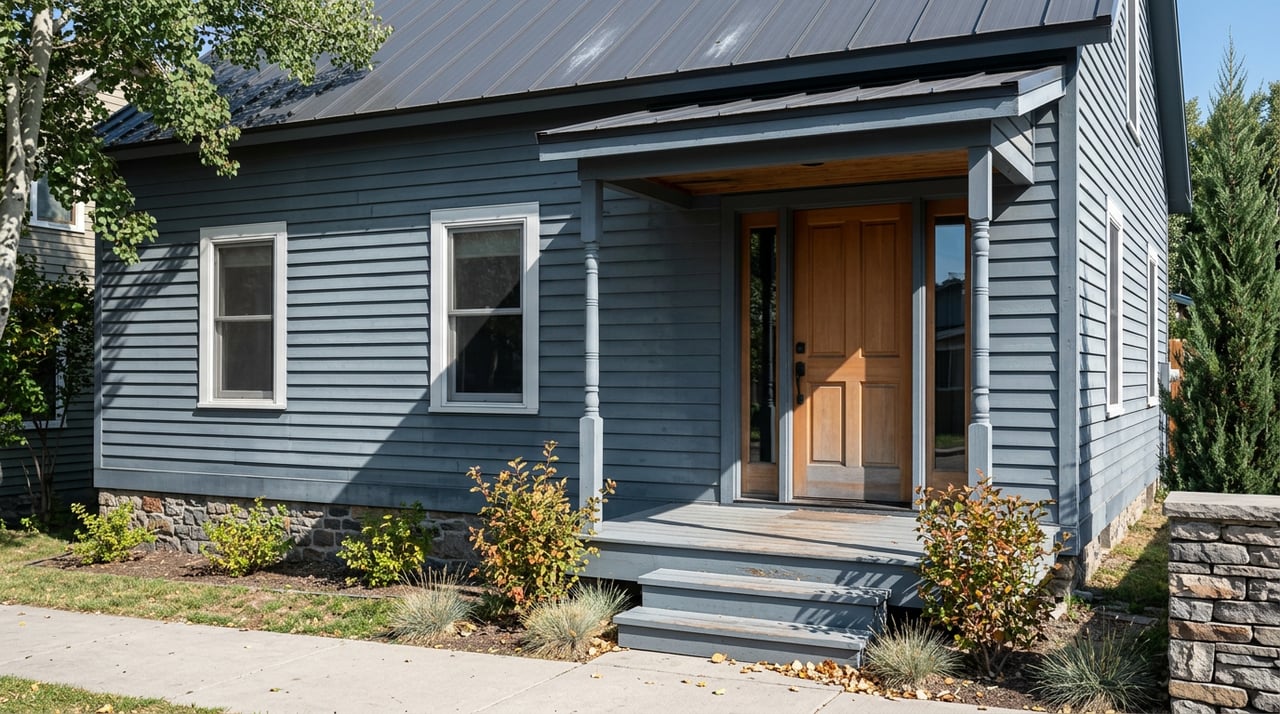
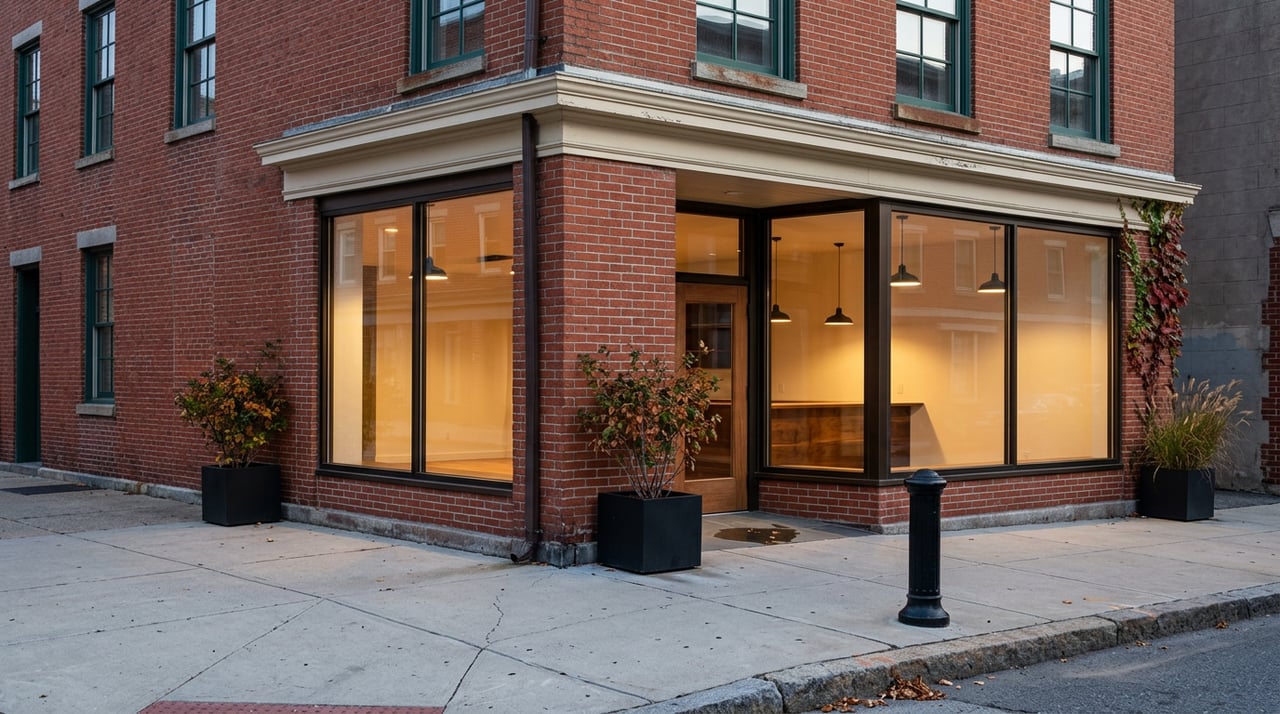
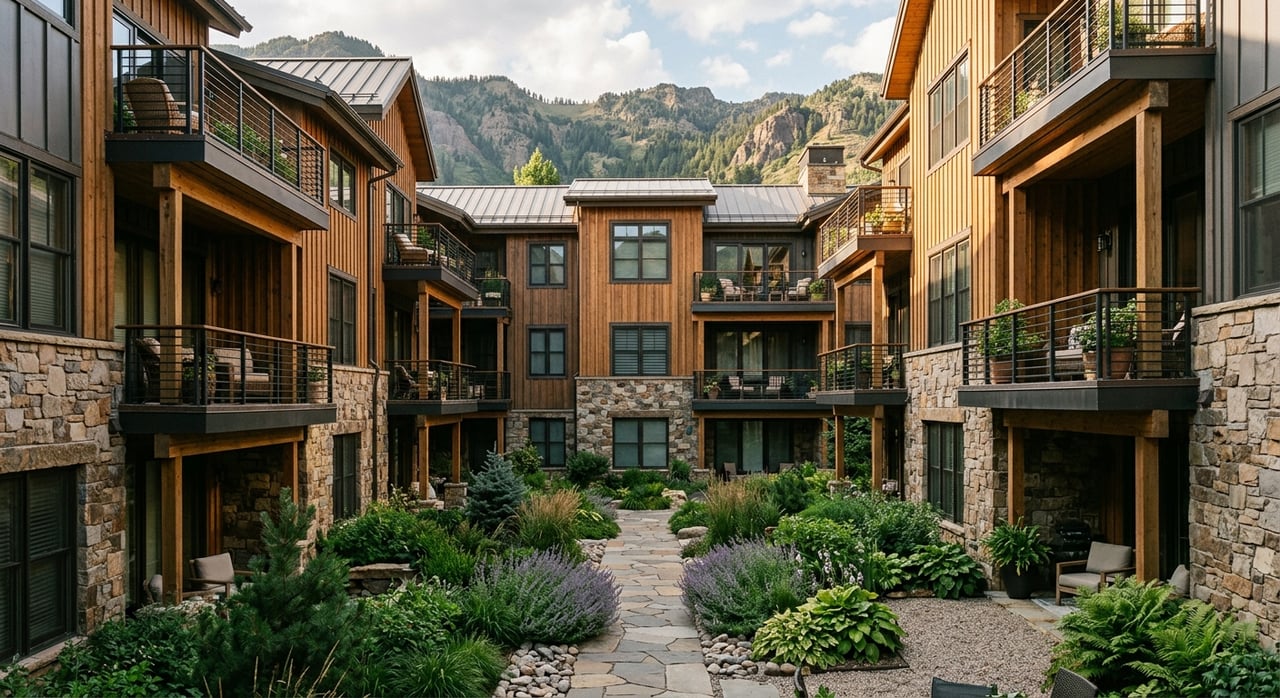
Ouray offers a very different housing experience. County sources describe it as more historic and compact, with residential uses dominating the town and commercial activity mainly along and west of Main Street. In-town homes are often turn-of-the-century properties that have been remodeled, while townhomes and condos are also part of the mix.
If you love historic character and a tighter mountain-town layout, Ouray may be a better fit than Ridgway. If you prefer newer construction, larger lots, and a more spread-out feel, Ridgway may suit you better. Neither is better across the board. It depends on how you want to live day to day.
Choose Ouray if you want historic mountain living
Ouray may fit you best if you are drawn to:
- Historic homes and older in-town character
- A compact setting with residential streets close to downtown
- A recreation-focused lifestyle with many amenities in town
- Condo or townhome options that may also appeal to seasonal owners
Choose Ridgway if you want more space
Ridgway may be the stronger match if you are looking for:
- Newer subdivisions and custom-style construction
- Larger lots and more separation between homes
- A setting surrounded by farm and ranch land
- A location that supports access in multiple directions
How Montrose fits the picture
Montrose is the most service-heavy option in this group. Official city materials show a broader range of departments, services, parks, trails, and airport access than the smaller mountain towns. It also has the broadest conventional housing mix, including single-family homes, duplexes, triplexes, apartments, older downtown neighborhoods, and more suburban-style development farther out.
For some buyers, Montrose feels more practical than romantic. That is not a negative. It simply means that if your priority is everyday convenience, broader inventory, and a more conventional city pattern, Montrose may deserve serious consideration.
County-level Census data also suggest a meaningful affordability difference. The median owner-occupied home value is $388,400 in Montrose County, compared with $739,800 in Ouray County and $720,700 in San Miguel County. These are county-level figures, not town-level prices, but they help explain why Montrose often feels more accessible than the mountain towns.
Ridgway versus Montrose for buyers
A simple way to think about it is this:
- Ridgway offers a smaller-town mountain setting with newer subdivisions and open-land surroundings.
- Montrose offers more services, more housing types, and a larger-city support system.
- Ridgway may feel more like a mountain basecamp.
- Montrose may feel more like a full-service home base.
If you need frequent airport access, broader in-town services, or a wider range of housing formats, Montrose may check more boxes. If you want a mountain-town atmosphere without stepping into the most constrained resort environment, Ridgway may feel more balanced.
Where Telluride differs most
Telluride stands apart from the rest of this comparison. Town materials show a housing environment shaped by workforce pressure, town-managed rental inventory, deed-restricted housing efforts, and purchase-oriented housing programs. The town also manages parking closely and runs fixed-route public transportation year-round through the Galloping Goose system.
That tells you something important as a buyer. Telluride is not just another mountain town. It is a more resort-oriented and housing-constrained market, with policies and infrastructure that reflect that reality.
If you are comparing Ridgway and Telluride, the contrast is usually about lifestyle structure as much as scenery. Ridgway tends to offer a more traditional ownership setting with newer subdivisions and larger lots, while Telluride reflects a denser, more managed town environment.
Commuting and daily access matter
One of the most practical differences between these towns is how they support daily life. County hazard mitigation materials state that Ouray has no medical facilities, with the closest hospital in Montrose about 45 minutes away. The same county source says Ridgway’s closest medical facilities are in Montrose, about 30 minutes away.
That does not decide the search for you, but it should shape your thinking. If regular access to medical services, airport travel, or larger-scale shopping matters a lot, Montrose becomes important in your decision, whether you live there or simply want to be within easier reach of it.
Ridgway’s location at the Highway 62 and 550 junction also helps explain its appeal. County sources connect local growth to Telluride-area jobs, which supports the idea that Ridgway works well for buyers who want access toward both Ouray County and the Telluride corridor. For many households, that flexibility is a major advantage.
Outdoor lifestyle by town
If you are buying here, outdoor access is probably part of the reason. The difference is that each town delivers that lifestyle in a slightly different way.
Ridgway outdoor access
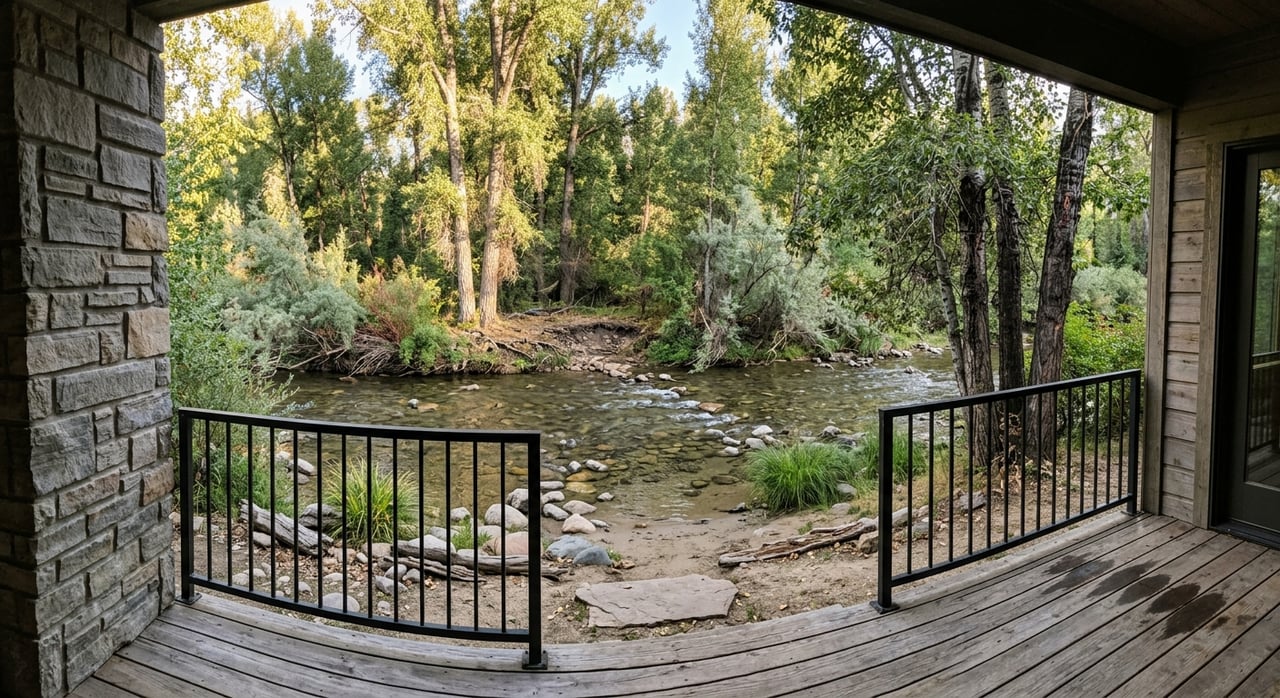
Ridgway State Park is one of the area’s biggest lifestyle assets. Colorado Parks and Wildlife describes the park as 3,301 acres with 282 campsites, 15.6 miles of trails, a boat ramp, fishing piers, a swim beach, and a visitor center. It sits just north of town along Highway 550, making it a daily-use amenity for many local owners.
Ouray outdoor access
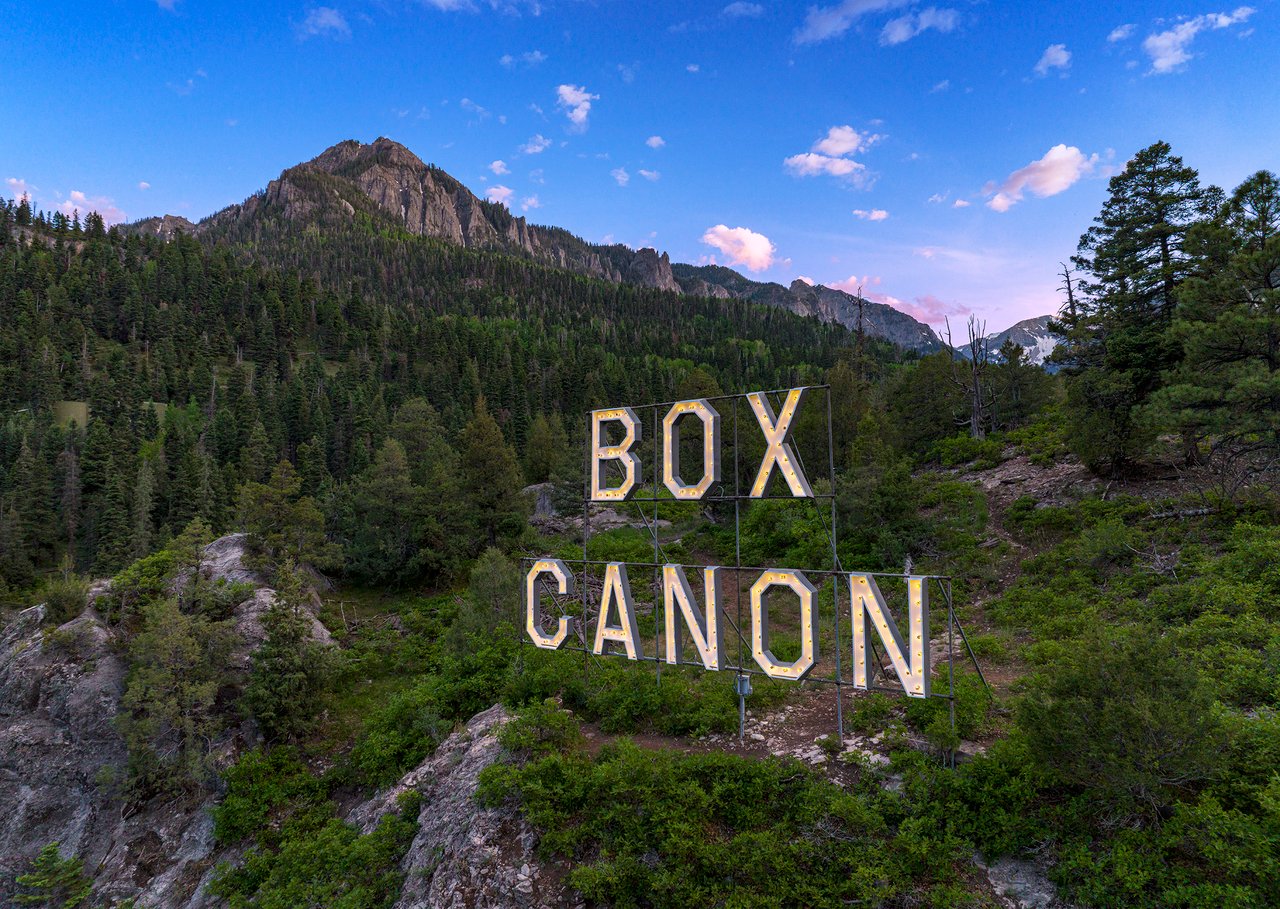
Ouray’s community plan frames the town as the Outdoor Recreation Capital of Colorado. The plan highlights access to River Park, Box Cañon Park, the Ouray Ice Park, the via ferrata, the perimeter trail, Cascade Falls Park, Lee’s Ski Hill, and a wide range of recreation that can be reached without leaving town.
That is a major distinction. In Ouray, recreation is deeply woven into the town itself. In Ridgway, the outdoor lifestyle often feels a bit more spread out and linked to open land and the state park.
Montrose outdoor access
Montrose offers a more built-out parks and trails system within town. Official city materials cite 38 parks, 160 acres of open space, more than 1,000 acres of riparian space and wildlands, 36 miles of concrete trails, and 13 miles of single-track hiking and biking trails. If you want structured in-town recreation infrastructure, Montrose has a lot to offer.
Telluride outdoor access
Telluride emphasizes town park access, hiking and biking trails, fishing, summer programming, and a year-round transit system. Town materials also show a strong focus on open-space review, which reflects an intentional approach to preserving walkability and views.
Which town fits your buying goals?
The clearest takeaway from the available local materials is this: Ridgway is often the balance play, Ouray is the most historic and recreation-dense, Montrose is the most service-heavy and inventory-rich, and Telluride is the most resort-oriented and housing-constrained.
That framework can help you narrow your search faster.
Ridgway may be right for you if you want:
- A small-town mountain setting
- Newer subdivisions and custom-style homes
- Larger lots than you may find in denser historic areas
- Access toward Ouray, Montrose, and the Telluride corridor
- A blend of outdoor living and day-to-day practicality
Ouray may be right for you if you want:
- Historic homes and a compact town layout
- Recreation that is tightly integrated into town life
- A classic mountain setting with strong in-town character
- Condo, townhome, or remodeled older-home options
Montrose may be right for you if you want:
- More housing variety
- Broader day-to-day services
- Airport convenience
- A market that often feels more accessible at the county level
- More conventional neighborhood patterns
Telluride may be right for you if you want:
- A resort-oriented mountain town setting
- Year-round public transit and managed parking systems
- A town with strong open-space and housing policy structure
- A lifestyle centered on walkability, views, and town-based amenities
Choosing between these towns is not just about price or square footage. It is about how you want your home to function for weekends, daily life, future relocation, or long-term ownership. When you compare the housing style, service access, and outdoor setup side by side, Ridgway often makes sense for buyers who want a practical mountain base without giving up the character that brought them here in the first place.
If you want help comparing Ridgway, Ouray, Montrose, or other nearby options, Peggy Lindsey offers honest, local guidance to help you find the right fit for your goals.
FAQs
How does Ridgway compare to Ouray for home buyers?
- Ridgway generally offers newer subdivisions, larger lots, and a more spread-out setting, while Ouray is more historic, compact, and centered on older in-town homes, condos, and townhomes.
How does Ridgway compare to Montrose for mountain home buyers?
- Ridgway offers more of a small-town mountain setting, while Montrose has broader services, more housing types, airport access, and county-level home values that tend to feel more accessible.
How does Ridgway compare to Telluride for buyers?
- Ridgway is typically a more traditional ownership setting with newer subdivisions and open-land surroundings, while Telluride is more resort-oriented, housing-constrained, transit-supported, and parking-managed.
What makes Ridgway appealing for relocation buyers?
- County materials tie Ridgway’s growth to its location at the Highway 62 and 550 junction, new subdivisions, and housing connected to Telluride-area jobs, which supports its appeal as a flexible base in the region.
What outdoor amenities are near Ridgway for homeowners?
- Ridgway State Park is just north of town and includes 3,301 acres, 282 campsites, 15.6 miles of trails, a boat ramp, fishing piers, a swim beach, and a visitor center.
What should buyers know about medical access near Ridgway and Ouray?
- Ouray County materials state that the closest medical facilities for Ridgway are in Montrose about 30 minutes away, while the closest hospital for Ouray is in Montrose about 45 minutes away.